How Cheese Is Made?
Cheese begins with a simple ingredient, yet the transformation it undergoes is one of the most refined processes in food craftsmanship. Milk is perishable; it evolves into a stable, complex, and expressive product through a sequence of controlled steps shaped by time, temperature, and technique.
This transformation is precise. Each stage, from coagulation to ageing, influences texture, flavour, and digestibility. The difference between Parmigiano Reggiano and Brie de Meaux, or between Manchego and fresh mozzarella, lies entirely in how milk is handled during these stages.
The Cheese Man helps you understand how cheese is made and that every cheese reflects both craftsmanship and purpose. Knowing the cheese-making process explains structure, flavour development, and why certain cheeses behave the way they do on the palate.
Milk Selection
The way milk is handled at the earliest stage shapes how cheese develops over time. It may be pasteurised or thermised to create a stable environment for fermentation, allowing cultures to develop with consistency. In contrast, many traditional cheeses are produced from raw milk and aged under controlled conditions, where naturally occurring enzymes and cultures contribute to greater complexity and depth, as seen in Comté and Cheddar.
Beyond processing, the origin of milk defines the foundation of cheese. Its composition varies based on the animal, its diet, and the environment, shaping both texture and flavour from the earliest stages of production.
Cow’s milk produces cheeses such as Gouda and Cheddar with a balanced profile. Sheep’s milk, used in Manchego and Pecorino Romano, offers higher fat and protein content, resulting in a richer structure, while goat’s milk brings a lighter texture and a clean, distinct brightness often found in chèvre-style cheeses.

Coagulation
Coagulation is the first transformation in cheesemaking, where milk shifts from liquid to a semi-solid state through enzymes or acidity. Rennet, traditionally derived from animal sources, causes milk proteins to bind and form curds, creating structure in cheeses such as Parmigiano Reggiano.
In other styles, acidity drives this process. Fresh cheeses like ricotta use heat and acid to separate curds from whey, resulting in a softer and more delicate texture.
The method of coagulation establishes the foundation of the cheese, influencing its texture, structure, and overall development.

Cutting the Curds
Once coagulated, the curd is cut to refine its structure and allow whey to separate. This step controls moisture release and begins shaping the texture of the cheese.
Smaller curds release more whey, producing firmer cheeses such as Parmigiano Reggiano and aged Cheddar. Larger curds retain moisture, resulting in softer styles like Brie and Camembert.
The size, timing, and handling of the curd determine moisture levels, influencing density, texture, and the cheese’s ageing potential.

Cooking and Stirring
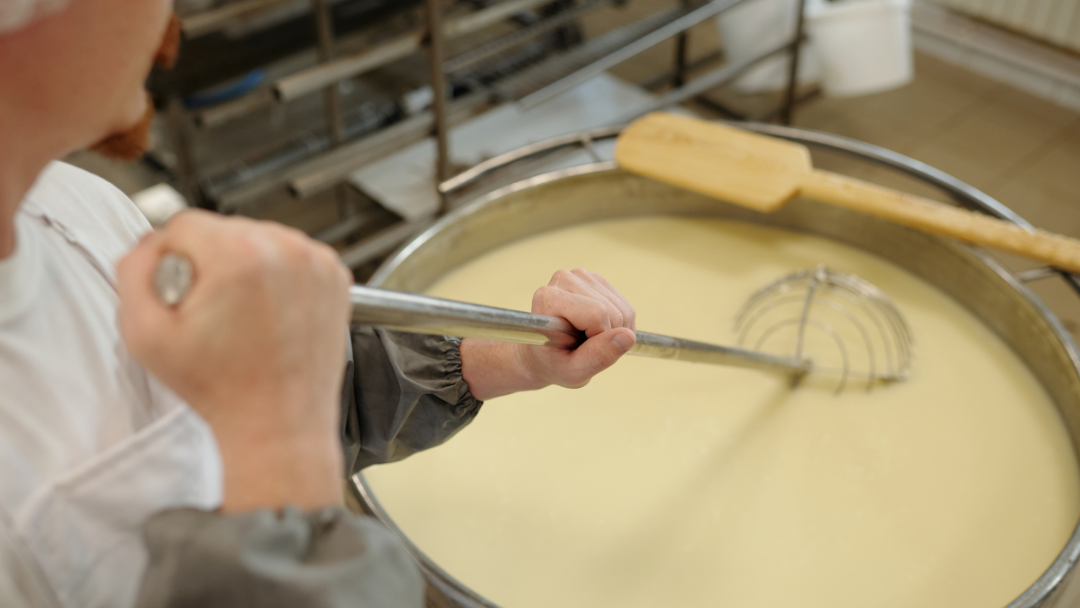
After cutting, the curds are gently heated and stirred to reduce moisture and firm their structure. This stage begins to define the internal consistency of the cheese.
Higher temperatures, as used in Parmigiano Reggiano, drive greater moisture loss and create a dense, long-aged structure. Lower heat preserves moisture, resulting in softer cheeses with a more delicate texture.
Stirring ensures even heat distribution and prevents clumping, allowing the curd to develop a uniform and controlled structure.

Salting
Salt plays a central role in cheesemaking, shaping flavour, moisture, and microbial balance. It stabilises the cheese and its overall development.
Cheeses may be salted directly, rubbed, or placed in brine. Parmigiano Reggiano, for example, is brined to achieve even distribution, supporting both flavour and preservation.
Salt also influences texture, helping form the outer structure while supporting internal development during ageing. This stage brings clarity and balance to the final cheese.

Draining the Whey
As the curd firms, whey is drained, marking the transition from curd to cheese. This step begins to define the structure and form of the final product.
The method of draining varies. Curds may be ladled into moulds for natural drainage or pressed to remove whey more efficiently, depending on the cheese style.
Greater whey removal produces firmer cheeses, such as Cheddar, while retaining moisture results in softer varieties like Brie. At this stage, the cheese takes on its initial shape and structure.

Pressing
Pressing applies controlled pressure to the curd, consolidating it into a uniform shape and further reducing moisture. This step is central to developing structure in many cheeses.
In semi-hard and hard cheeses such as Cheddar and Gouda, pressing creates a compact body and supports a consistent texture. The level of pressure influences density, shaping how the cheese matures over time.
Softer cheeses like Brie undergo minimal pressing, allowing for a more open structure and delicate surface development. Pressing defines not just form, but the internal integrity of the cheese.

Ageing
Ageing defines the identity of cheese, shaping its texture, aroma, and flavour over time. During this stage, enzymes and bacteria continue to break down proteins and fats, creating greater complexity.
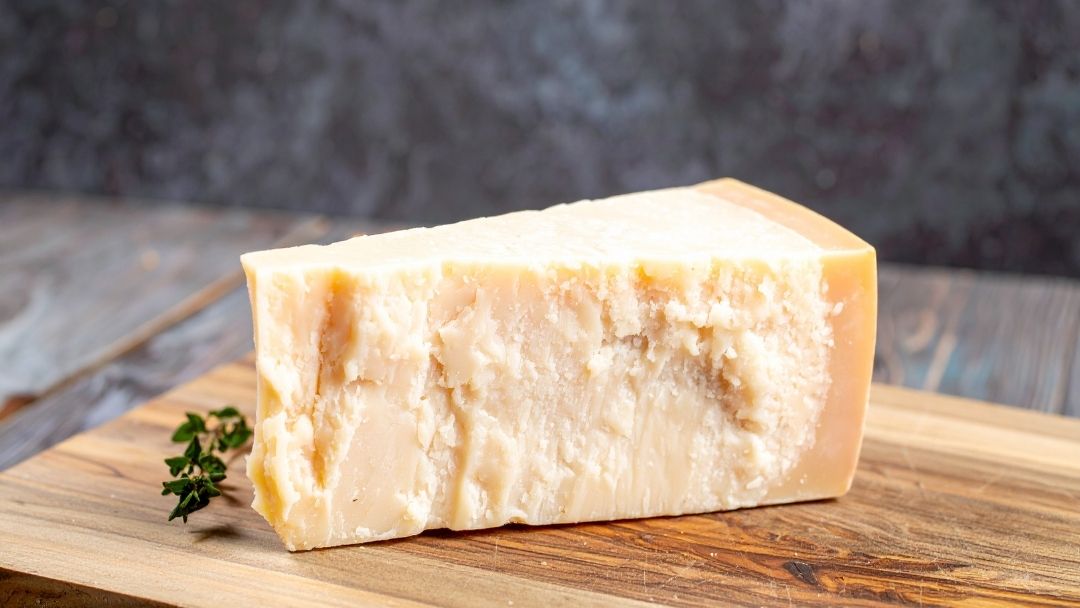
In Parmigiano Reggiano, ageing produces a firm, crystalline texture with deep umami notes, while Manchego develops a balanced nuttiness and richness. In Brie, surface moulds transform the outer layer, creating a soft and creamy interior.
Temperature, humidity, and time are carefully controlled throughout this process. Ageing is an active stage in which small variations influence the final character of the cheese.

Rind Development
The rind is the outer expression of cheese, formed during ageing as it interacts with its environment. It reflects the conditions in which the cheese matures and contributes to its overall character.
Natural rinds develop through exposure to air and microbial activity, commonly seen in aged cheeses. Washed rinds are treated with brine or cultures to create distinct aromas and textures, while bloomy rinds, as in Brie and Camembert, form through controlled mould growth.
Beyond protection, the rind contributes to flavour and structure, making it an integral part of the cheesemaking process.

Variations in Process Create Diversity
Every cheese is a variation of the same foundational process. The differences arise from adjustments in:
- Milk type
- Coagulation method
- Curd size
- Heating temperature
- Pressing intensity
- Ageing duration
These variables explain why Parmigiano Reggiano, Gouda, Manchego, and Brie each have distinct identities despite sharing the same core steps. Cheesemaking is therefore both structured and adaptable, allowing for endless variation within a defined framework.
The Cheese Man’s Perspective on Cheesemaking
At The Cheese Man, understanding the process of cheesemaking informs every selection. Cheeses are chosen not only for flavour, but for how their structure reflects the method behind them.
Aged cheeses are valued for their concentration and digestibility. Soft cheeses are selected for their balance and texture. Sheep milk cheeses are appreciated for their richness and depth. This perspective ensures that every cheese offered is rooted in craftsmanship rather than convenience.
The process of turning milk into cheese is a sequence of deliberate transformations. Each stage shapes the final result, from the selection of milk to the conditions of ageing. Understanding this process deepens appreciation. It reveals how texture, flavour, and structure emerge from precise control and natural development.
At The Cheese Man, this knowledge defines curation. Cheese is approached as a crafted product, shaped by time, environment, and expertise.
FAQ's
Q1. How is cheese made from milk step by step?
A: Cheese is made by coagulating milk, separating curds and whey, shaping the curds, and ageing them to develop distinct texture, structure, and flavour.
Q2. What is the first step in cheesemaking?
A: The process begins with selecting milk and initiating coagulation, where enzymes or natural acidity cause the milk to form curds and separate from whey.
Q3. What are curds and whey in cheese production?
A: Curds are the solid portions of milk that form the basis of cheese, while whey is the remaining liquid that separates during coagulation.
Q4. Why is rennet used in making cheese?
A: Rennet is an enzyme that helps milk proteins bind together, allowing curds to form and giving structure to many types of cheese. If you want to know more about "What factors determine types of cheese?" Click here.
Q5. How does ageing change cheese?
A: Ageing develops deeper flavour, alters texture, and improves digestibility through controlled fermentation and moisture reduction over time.
Q6. What determines whether cheese is soft or hard?
A: Texture depends on curd size, moisture content, and ageing duration. Less moisture and longer ageing typically produce firmer cheeses.
Q7. Why is salt added during cheesemaking?
A: Salt enhances flavour, regulates moisture, supports preservation, and helps control microbial activity during the ageing process.
Q8. How does the type of milk affect cheese?
A: Different milk types, such as cow, sheep, or goat, influence fat content, protein structure, and flavour, shaping the final characteristics of the cheese.
Q9. Are all cheeses made using the same process?
A: All cheeses follow similar foundational steps, but variations in technique, timing, and environment create the wide diversity of cheese styles.
Q10. Why do different cheeses have different flavours?
A: Flavour develops through a combination of milk composition, bacterial cultures, and ageing conditions, resulting in a wide range of taste profiles.