Origin of Cheese: How & When?
Cheese carries a sense of permanence. It feels rooted, established, and deeply connected to culinary identity across cultures. Yet its origin is remarkably simple, shaped by observation, environment, and time.
The story of cheese begins long before written records, in early pastoral societies where milk was a primary source of nourishment. Without refrigeration or preservation systems, communities relied on instinct and necessity to extend the life of fresh milk. What emerged from this process was not just a storage solution, but the foundation of one of the most enduring food traditions in human history.
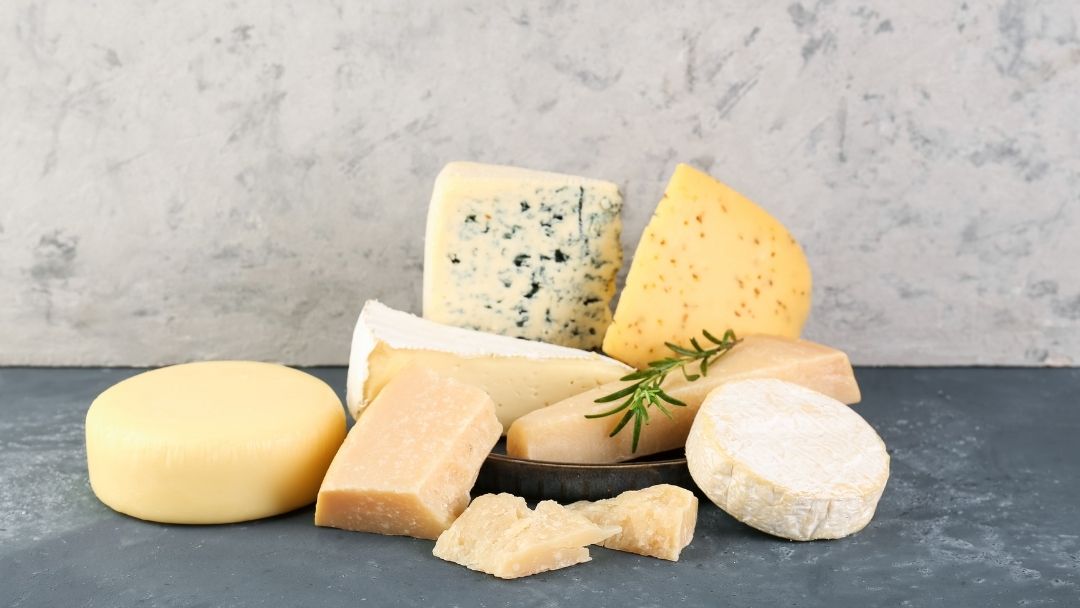
Understanding how cheese began explains why aged cheeses such as Parmigiano Reggiano develop their crystalline texture, why soft cheeses like Brie maintain a delicate rind, and why sheep milk cheeses such as Manchego carry a distinct richness. Every cheese reflects a continuation of early methods shaped by environment and refinement.
At The Cheese Man, this history informs curation. Cheese is approached not simply as a product, but as a lineage of technique and transformation that continues to evolve while remaining grounded in its origins.
The Earliest Discovery of Cheese
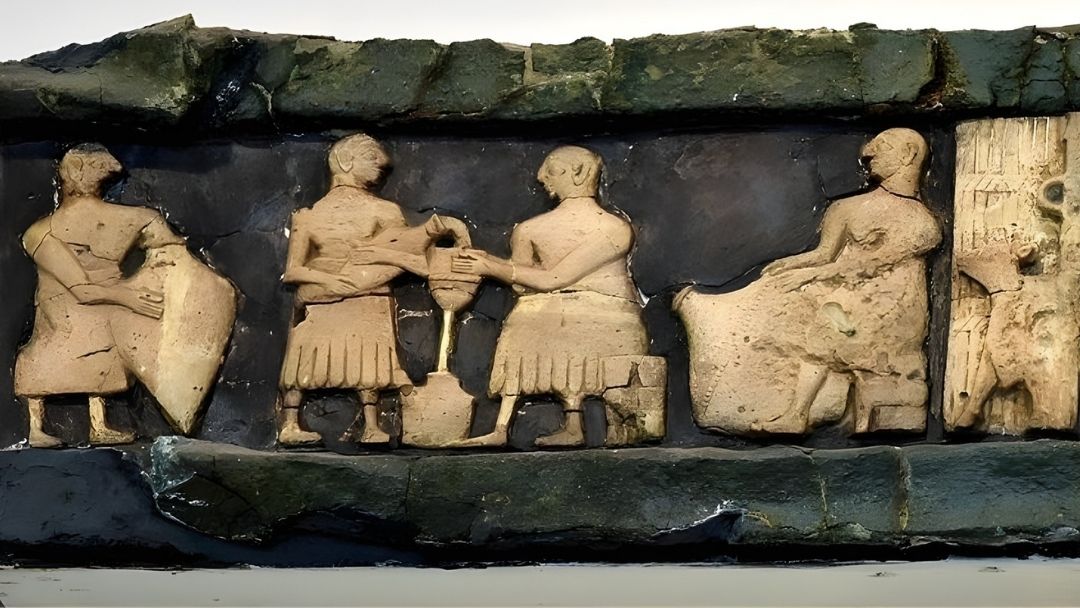
The earliest evidence of cheese production dates back over 7,000 years across Central Asia, the Middle East, and Eastern Europe. Early cheesemaking relied on sheep and goat milk in the Fertile Crescent. Sumerian records from around 4000 BCE and Egyptian findings in clay pots dated to 2300 BCE confirm its early presence, while Neolithic strainers discovered in modern-day Poland reflect the spread of dairy practices across regions.
The transformation from milk to cheese likely began through natural enzymatic processes. Milk stored in animal stomach containers came into contact with rennet, causing it to separate into curds and whey through heat and movement.
This separation marked the beginning of cheese. Curds could be preserved for longer than liquid milk, offering both practicality and nourishment. Over time, this process was repeated, observed, and refined. What began as an incidental transformation became an intentional method.
How Early Cheesemaking Techniques Developed
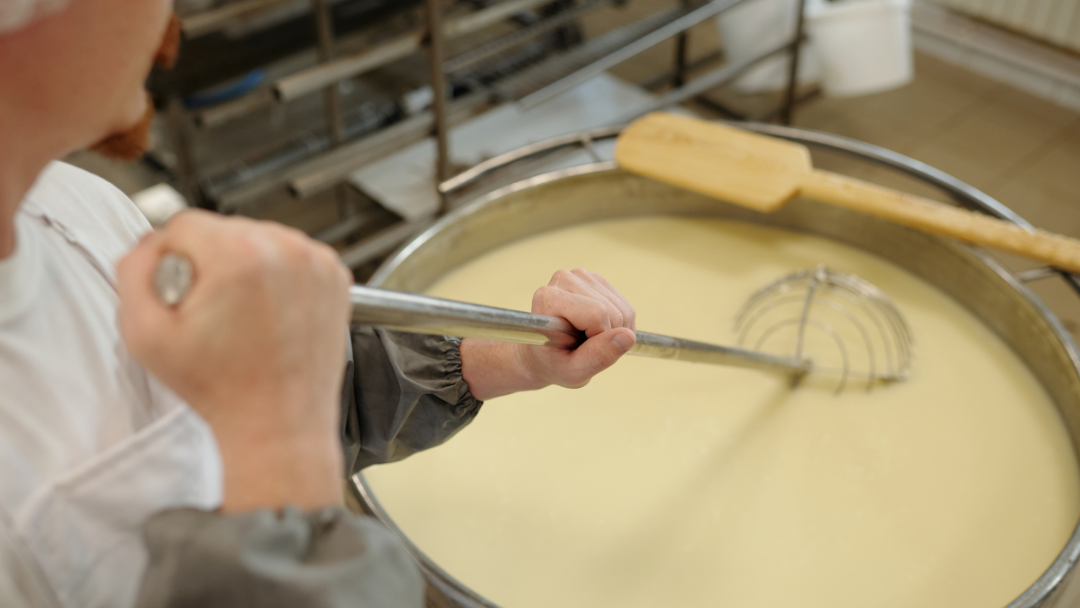
As early societies understood the transformation of milk, they began to control it through deliberate methods. Milk was heated, curdled, drained, and salted to extend shelf life and enhance flavour, establishing a repeatable process.
These practices formed the foundation of modern cheesemaking. The core stages remain consistent, from coagulation and curd separation to draining, pressing, and ageing or fresh consumption.
The distinction today lies in precision. Temperature, timing, and cultures are carefully managed, whereas earlier methods were shaped by climate and repetition. This environmental influence led to the development of distinct regional cheeses.
The Role of Geography in Cheese Evolution
Geography has shaped how cheese develops, influenced by climate, animal breeds, and available resources. In warmer regions, fresh cheeses such as ricotta and mozzarella emerged naturally, where milk soured quickly and was consumed soon after production.
In cooler climates, extended ageing became possible, leading to structured cheeses such as Parmigiano Reggiano and aged Cheddar, where time and controlled conditions refine flavour and texture.
Mountain regions produced cheeses like Gruyère and Comté, shaped by grazing conditions and milk composition, while sheep-rich areas developed cheeses such as Manchego with a more concentrated profile. Each cheese reflects its origin and environment.
The Introduction of Ageing and Fermentation
Ageing transformed cheese from preservation into craftsmanship. As curds were stored over time, natural bacteria and enzymes continued to break down proteins and fats. This process created new textures, aromas, and flavours. Cheese evolved from simple sustenance into a structured, complex food.
Parmigiano Reggiano exemplifies this transformation. Aged for extended periods, its moisture reduces, and proteins form small crystalline structures, contributing to its firm texture and concentrated umami profile shaped through regulated maturation.
Other cheeses follow similar pathways. Aged Gouda develops caramelised notes as sugars and proteins evolve, while Pecorino gains a more pronounced savoury character over time. Through fermentation and ageing, cheese develops structure, depth, and a defined identity.
Cheese in Ancient Civilizations
Cheese became an established part of early civilizations, including Mesopotamia, Ancient Egypt, Greece, and Rome. Archaeological records and artwork from these societies document both cheesemaking practices and their role in daily diets.
In Ancient Greece, cheese was a staple, primarily made from sheep and goat milk. The Romans refined these practices by organising production methods and developing early ageing techniques that improved structure and consistency.
Roman influence played a significant role in spreading cheese across Europe. As the empire expanded, cheesemaking knowledge travelled with it, adapting to local environments and resources. This dissemination laid the groundwork for the regional diversity seen in European cheeses today.
The Evolution into Modern Cheesemaking
Modern cheesemaking continues to reflect the principles established centuries ago, now guided with greater precision. Fermentation is directed through controlled cultures, temperature is carefully managed, and consistent standards ensure stability across production. These refinements support reliability while maintaining the character of each cheese.
Controlled bacterial cultures now guide fermentation. Temperature regulation ensures consistency. Hygiene standards preserve quality. Despite these advancements, traditional methods remain central to many iconic cheeses.
Parmigiano Reggiano, for example, continues to follow strict production guidelines rooted in centuries-old practices. Manchego remains tied to specific regions and sheep breeds. This balance between tradition and refinement defines modern cheese. It preserves authenticity while ensuring reliability.
Milk Types and Their Influence on Cheese
The origin of cheese remains closely tied to the type of milk used, with cow, sheep, and goat milk each shaping distinct characteristics. The composition of the milk influences texture, flavour, and structure from the earliest stages of cheesemaking, establishing a foundation that defines the final product.
Cow milk cheeses, such as Cheddar and Gouda, offer balance and familiarity. Sheep milk cheeses, including Manchego and Pecorino, deliver richness and depth due to higher fat content. Goat milk cheeses provide acidity and brightness, often resulting in softer textures.
These variations reflect regional availability and farming traditions. Areas with sheep produced cheeses like Manchego and Pecorino, while cattle-rich regions developed varieties such as Gouda and Cheddar. Milk type continues to define the identity of cheese.
Why Cheese Remains Relevant Today
Cheese continues to hold relevance through its ability to carry tradition while adapting to contemporary use. It remains grounded in its origins, yet integrates seamlessly into modern dining, where both quality and versatility are valued.
Its nutritional composition, particularly in aged cheeses like Parmigiano Reggiano, supports protein intake and satiety. Its versatility allows it to appear across meals, from structured dishes to curated boards.
In Dubai, cheese has become part of contemporary hosting culture, where presentation, balance, and quality are valued. Cheese boards reflect this evolution, blending tradition with modern aesthetics.
The Cheese Man’s Perspective on Cheese Origins
At The Cheese Man, understanding the origin of cheese informs every selection. Each cheese is evaluated not only for flavour but for how it reflects its history, method, and environment. This perspective ensures that every board or hamper carries depth beyond presentation. It connects modern experiences with traditional craftsmanship.
Cheese is not treated as a commodity. It is treated as a continuation of a story that began thousands of years ago. The origin of cheese is a story of observation, adaptation, and refinement. From early pastoral societies to modern curation, cheese has evolved while preserving its foundational principles.
Understanding this journey adds depth to every piece of cheese served. It reveals the relationship between environment, technique, and time. At The Cheese Man, this understanding shapes how cheese is selected, presented, and experienced. It ensures that every cheese reflects both its history and its place at the table today.
FAQs
Q1. Who discovered cheese, and how did it happen?
A: Cheese is believed to have been discovered by early pastoral communities when milk was stored in animal stomach containers, where natural enzymes caused it to separate into curds and whey.
Q2. How was cheese first made in ancient times?
A: Cheese was first made when milk naturally coagulated due to heat and enzymes, forming curds and whey, which were then separated and preserved as an early food source.
Q3. Where did cheese originate historically?
A: Cheese is thought to have originated over 7,000 years ago across regions of Central Asia, the Middle East, and Eastern Europe, where early herding societies first processed milk.
Q4. Why did early humans start making cheese?
A: Cheese was created as a practical way to preserve milk, allowing it to last longer and remain usable as a stable and transportable source of nutrition.
Q5. What is rennet, and why is it important in cheesemaking?
A: Rennet is a natural enzyme traditionally found in animal stomachs that helps coagulate milk, separating it into curds and whey, which is essential in forming most types of cheese.
Q6. How did cheesemaking spread across Europe and beyond?
A: Cheesemaking spread through trade routes and expanding civilizations, particularly during the Roman Empire, which standardized and distributed techniques across regions.
Q7. Why do different countries produce different types of cheese?
A: Regional differences in climate, animal diet, and milk type influence how cheese develops, resulting in unique textures, flavours, and ageing styles across countries.
Q8. How does ageing affect cheese flavour and texture?
A: Ageing allows controlled fermentation to transform proteins and moisture, developing deeper flavours, firmer textures, and improved digestibility over time.
Q9. Which type of milk is best for making cheese?
A: Cow, sheep, and goat milk are all used in cheesemaking, each producing distinct textures and flavour profiles depending on their fat and protein composition.
Q10. Why is cheese still widely consumed today?
A: Cheese remains popular because it combines tradition, nutritional value, and versatility, fitting naturally into modern diets while maintaining strong cultural and culinary relevance.