The Perfect Suhoor Is Protein Rich Cheeses for Sustained Energy All Day
Suhoor is far more than an early meal. During Ramadan, it forms the nutritional foundation for the entire fasting day, influencing energy levels, concentration, hydration, and overall physical comfort until Iftar. What is chosen before dawn carries a measurable impact, which is why Suhoor deserves deliberate planning rather than routine habit.
In Dubai, where fasting hours can feel extended and temperatures often intensify physical demand, the composition of this meal becomes even more significant. Foods that create rapid spikes in energy frequently lead to morning fatigue, while options that are too light fail to sustain the body. Conversely, overly heavy choices may result in discomfort, increased thirst, and reduced alertness. Balance is essential, particularly in a climate that already strains hydration and stamina.
Protein plays a central role in achieving that balance. It digests gradually, supports muscle maintenance during prolonged fasting, and promotes satiety that lasts well into the day. When selected with care, cheese provides a practical, nutrient-dense source of high-quality protein for Suhoor. Certain varieties provide sustained energy, measured richness, and digestibility suited to the fasting body.
At The Cheese Man, Suhoor selections are composed with these practical considerations in mind. Cheese is approached not as a luxury, but as purposeful nourishment designed to support the rhythm of Ramadan. This guide outlines protein rich cheeses that align with Suhoor needs and explains how they contribute to steady energy from dawn until sunset.
Why Protein Matters More Than Carbohydrates at Suhoor
Carbohydrates are often relied upon for immediate energy, yet their effect is short lived. Meals dominated by fast digesting carbohydrates can lead to a noticeable drop in energy levels well before Iftar, leaving the body feeling depleted during the latter half of the fasting day.
Protein functions differently within the body. It is digested at a slower rate, helps maintain stable blood sugar levels, and supports muscle preservation during extended hours without food. When Suhoor includes an adequate amount of protein, hunger tends to subside for longer periods, energy remains more consistent, and mental clarity is better sustained throughout the day. Want to know more about which cheese is good for you? Read this article, "Why Aged Cheese is Good for Your Gut Health?"
Cheese offers a particularly practical advantage because it naturally combines protein with fat, a pairing that further moderates digestion and prolongs satiety. This nutritional structure makes certain cheeses more suitable for Suhoor than many conventional breakfast options that rely heavily on refined carbohydrates.
That said, selection is critical. Fresh cheeses with higher lactose content may contribute to thirst or mild digestive discomfort during fasting hours. In contrast, protein dense, aged varieties typically provide greater stability, improved digestibility, and more reliable support for sustained energy.
What Makes a Cheese Suitable for Suhoor
A suitable Suhoor cheese must satisfy several nutritional and practical considerations. It should deliver a meaningful level of protein, contain minimal lactose, remain easy on digestion, and provide satiety in modest portions. At the same time, it should not intensify thirst or create a sense of heaviness that lingers throughout the day.
The maturation process plays an important role in achieving this balance. As cheese ages, lactose naturally reduces while proteins become more bioavailable, making them easier for the body to utilise. Moisture content declines during ageing, resulting in a denser concentration of nutrients. For this reason, well matured cheeses often provide greater stability and endurance during fasting compared to fresher varieties.
The source of milk also influences how cheese is processed by the body. Sheep’s milk and cow’s milk cheeses differ in fat composition and digestibility, and understanding these distinctions allows for more informed and effective Suhoor choices.
Parmigiano Reggiano: The Ultimate Suhoor Cheese
Among aged cheeses, Parmigiano Reggiano remains one of the most reliable choices for Suhoor. Its extended maturation period, typically 24 months or longer, gradually transforms milk into a dense and concentrated source of protein, calcium, and essential amino acids. This ageing process enhances both nutritional value and digestibility, making it particularly suited to long fasting hours.
Naturally low in lactose, Parmigiano Reggiano is generally easier on the digestive system and less likely to create discomfort during the day. Its pronounced savoury depth allows for satisfaction in small portions, supporting balanced intake while still delivering sustained satiety.
From a nutritional standpoint, it offers complete protein, containing all essential amino acids required for muscle preservation and metabolic support. During Ramadan, when meal frequency is reduced, this becomes especially significant in maintaining physical stability and consistent energy levels.
At The Cheese Man, Parmigiano Reggiano is frequently positioned as the structural centre of a Suhoor selection, valued for providing nourishment and density without unnecessary heaviness.
Aged Cheddar: Sustained Energy Through Protein and Fat
Aged Cheddar, particularly varieties matured for twelve months or longer, offers another strong option for Suhoor. Its protein concentration is substantial, and the natural fat structure supports gradual digestion, contributing to longer lasting satiety during fasting hours.
As Cheddar matures, lactose levels decline, which generally makes aged versions more comfortable for the body compared to younger, higher moisture styles. The depth and sharpness developed through ageing also encourage slower, more deliberate eating, complementing the reflective pace that Suhoor calls for.
When combined with fibre rich accompaniments such as whole grain bread, seeded crackers, or fresh vegetables, aged Cheddar supports steady energy release. This pairing helps minimise sudden fluctuations in blood sugar, promoting a more stable and sustained sense of nourishment throughout the day.
Aged Gouda: Smooth, Balanced, and Digestible
Aged Gouda presents a more rounded flavour profile while still delivering substantial nutritional value. With maturation, it develops subtle caramelised notes and a firmer texture, both signs of reduced moisture and a higher concentration of nutrients within the cheese.
Its protein content remains robust, and the ageing process significantly lowers lactose levels, improving digestibility during extended fasting hours. This makes aged Gouda particularly suitable for those who prefer a smoother, less sharp taste yet still require sustained energy throughout the day.
The natural balance of protein and fat supports prolonged satiety without creating a sense of weight or discomfort. For Suhoor, where both nourishment and physical ease matter, aged Gouda offers a composed and reliable option.
Pecorino: Sheep Milk Power for Long Fasting Days
Pecorino Romano, produced from sheep’s milk, merits particular consideration during Ramadan. Sheep’s milk contains naturally higher levels of protein and fat compared to cow’s milk, a composition that promotes stronger satiety and more gradual digestion, both of which are valuable during long fasting hours.
Varieties aged for several months develop a firm structure and concentrated flavour, reflecting their nutritional density. In addition, sheep’s milk cheeses are often more comfortably tolerated by individuals who experience sensitivity to cow’s milk, which positions Pecorino as a practical alternative for Suhoor planning.
Given its richness, portion control remains important. Smaller servings, balanced with hydration supportive foods such as fresh vegetables or fruit, create a more measured Suhoor combination that sustains energy without overwhelming the body.
Halloumi: Protein Rich but Best Used Carefully
Halloumi frequently enters Suhoor discussions due to its notable protein content and satisfying texture. It can serve a useful role in the pre dawn meal, provided it is selected and portioned with care.
Compared to many aged cheeses, Halloumi contains a higher level of salt, which makes moderation essential in order to minimise excessive thirst during fasting hours. When lightly grilled and paired with fresh vegetables or whole grains, it delivers meaningful protein while remaining balanced within the overall meal.
At The Cheese Man, Halloumi is generally positioned as a complementary component of a Suhoor selection rather than the central element. It works best alongside lower sodium, matured cheeses that provide sustained nourishment with greater digestive stability.
Cheeses to Limit at Suhoor
Not every cheese is appropriate for Suhoor. Fresh varieties such as cream cheese, burrata, and ricotta contain higher levels of lactose and moisture, which means they are digested more rapidly and may not sustain satiety for extended fasting hours. Although they can be enjoyable in other settings, their nutritional structure is less suited to the demands of a long day without food.
Processed cheeses are similarly unsuitable. They frequently include additives and stabilisers that contribute little meaningful nutritional value and may intensify thirst during fasting, which can compromise overall comfort.
Suhoor calls for measured decisions rather than indulgence. The emphasis should remain on efficiency, balance, and foods that actively support the body through the duration of the fast.
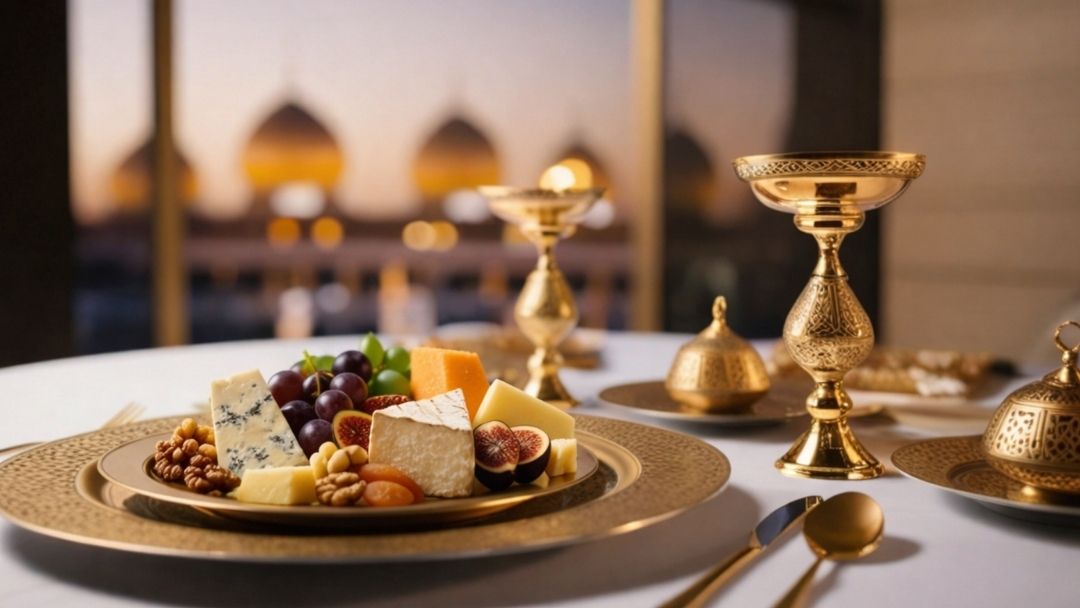
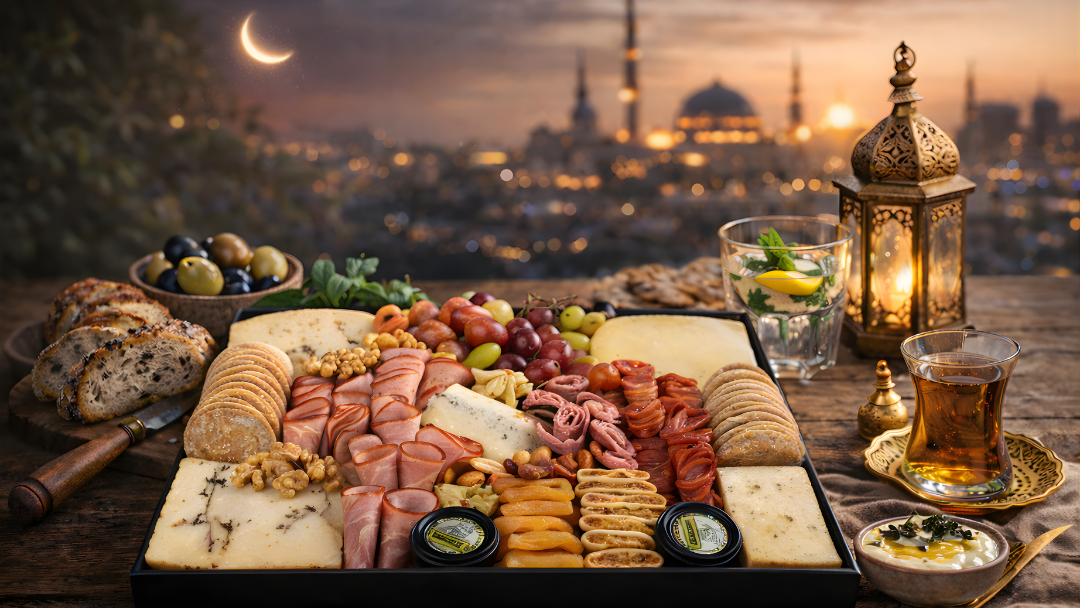
Building a Protein Focused Suhoor Cheese Board
A Suhoor cheese board should reflect intention and restraint, guided by balance rather than abundance. The objective is not to assemble an extensive spread, but to compose a selection that supports the body with measured nourishment.
A considered foundation may begin with Parmigiano Reggiano and aged Gouda, offering concentrated protein and steady energy, while a modest portion of Pecorino or aged Cheddar introduces depth and variety. Fresh components such as cucumber, tomato, or leafy greens contribute hydration and fibre, assisting digestion and helping maintain physical comfort during fasting hours.
Whole grain bread or seeded crackers provide slow releasing carbohydrates that stabilise energy levels, and a small serving of nuts adds complementary fat and protein. The intention is to create a Suhoor meal that sustains consistently throughout the day, prioritising endurance and balance over stimulation or excess.
Hydration and Cheese at Suhoor
Hydration remains a central consideration during Ramadan, and cheese selection should reflect this priority. Although aged cheeses possess a more concentrated flavour, they are typically consumed in smaller portions, which can make them more suitable than high-moisture fresh varieties that may be eaten in larger quantities without delivering sustained benefit.
Combining cheese with water rich foods such as cucumber, tomatoes, or fresh greens helps reinforce hydration and digestive balance. At the same time, moderating overall salt intake is essential to ensure that Suhoor supports fluid retention rather than increasing thirst during fasting hours.
Equally important is the pattern of water consumption. Hydration is more effective when water is taken gradually and consistently before dawn, rather than consumed in a single large amount, allowing the body to absorb and utilise it more efficiently throughout the day.
Why Suhoor Boards Are Gaining Popularity in Dubai
In Dubai, Suhoor gatherings are evolving toward a more considered and balanced approach. Many hosts are gradually moving away from heavy, elaborate spreads in favour of lighter tables that acknowledge the physical demands of fasting and the need for sustained nourishment.
Within this shift, cheese boards have found a natural place. They offer structured nutrition without unnecessary abundance and provide variety without complicating the meal. Guests are able to select portions according to their individual needs, maintaining a pace that aligns with their own comfort and routine.
As a result, protein focused cheese selections are becoming increasingly common in both private residences and professional Suhoor settings across the city, reflecting a broader preference for moderation, flexibility, and purposeful dining during Ramadan.
The Cheese Man’s Approach to Suhoor
At The Cheese Man, Suhoor selections are prepared with a clear understanding of the physiological demands of fasting. Each cheese is evaluated for protein density, digestive ease, and overall balance, with careful attention given to salt content and portion sizing. The objective is to ensure that every element contributes positively to sustained nourishment rather than creating discomfort during the day.
This philosophy reflects a broader awareness of how traditional dairy foods can be aligned with contemporary nutritional needs. Suhoor shapes the rhythm of the entire fasting period, and thoughtful food choices are less about indulgence or restriction and more about recognising how the body responds over extended hours without intake.
Protein forward cheeses such as Parmigiano Reggiano, aged Cheddar, aged Gouda, and Pecorino provide steady energy, structural nutrition, and measured satisfaction when incorporated deliberately. When combined with hydration supportive accompaniments and consumed in balanced portions, cheese becomes a practical and effective component of Ramadan nourishment. At The Cheese Man, Suhoor is approached with intention and discipline, prioritising endurance, stability, and care over visual display.
FAQ’s
Q1. Is cheese suitable for Suhoor?
A: Yes. Protein rich, aged cheeses digest slowly and help support satiety, making them suitable for Suhoor when chosen with balance and portion awareness.
Q2. Which cheese is best for sustained energy during fasting?
A: Parmigiano Reggiano is among the most suitable options due to its high protein content, low lactose levels, and concentrated nutrient profile.
Q3. Can cheese cause thirst during fasting hours?
A: High sodium cheeses may increase thirst if consumed in excess. Moderate portions, paired with hydrating foods such as cucumbers and fruits, help reduce this effect.
Q4. Is Parmesan easier to digest than fresh cheese?
A: Yes. Long ageing significantly reduces lactose and naturally breaks down proteins, making cheeses like Parmigiano Reggiano generally easier to digest than fresh varieties.
Q5. Is halloumi a good choice for Suhoor?
A: Halloumi can be included in small portions. Pairing it with vegetables and whole grains helps balance its salt content and improves overall suitability for fasting.
Q6. Are sheep’s milk cheeses good during Ramadan fasting?
A: Yes. Sheep’s milk cheeses, such as Pecorino, provide rich protein and satisfying fats, which support fullness during extended fasting hours when eaten moderately.
Q7. Should fresh cheeses be avoided at Suhoor?
A: They are best limited. Fresh cheeses digest more quickly and may not provide the sustained energy that aged cheeses typically offer.
Q8. Can a cheeseboard replace a full Suhoor meal?
A: When thoughtfully curated with protein, fibre rich accompaniments, and hydration, a balanced cheese board can function as a complete and satisfying Suhoor.
Q9. How much cheese is appropriate for Suhoor?
A: Small, intentional portions are sufficient. The focus should remain on quality, digestibility, and nutritional balance rather than quantity.
Q10. Why choose The Cheese Man for Suhoor cheese selections?
A: Selections are curated with fasting, digestion, and sustained energy in mind, ensuring choices feel supportive, balanced, and aligned with the rhythm of Ramadan.