
Camembert Cheese Guide to Taste, Pairings, and Serving
Few French cheeses create the same sense of anticipation as a perfectly ripened Camembert. Its delicate white rind, creamy paste, and distinctive aroma have made it one of the most recognisable cheeses in French cheesemaking, with a character that changes beautifully throughout maturation.
Traditionally associated with Normandy and made from cow's milk, Camembert belongs to the family of soft, bloomy-rind cheeses. Its appeal lies in the way its texture, aroma, and flavour develop over time, giving the cheese a distinctive character at different stages of maturity.
This versatility makes Camembert particularly rewarding to explore. It can be enjoyed simply with fresh bread, paired with seasonal fruit and nuts, presented on a carefully composed cheese board, or gently baked until the centre becomes warm and molten.
For anyone exploring Camembert cheese pairings, learning how to serve Camembert, or choosing the right cheese for a cheese board, understanding its characteristics provides a useful foundation. The right accompaniments can complement its creamy character while introducing contrasting sweetness, acidity, crunch, or savoury depth.
At The Cheese Man, Camembert forms part of a carefully curated collection of artisan cheese in Dubai, selected for its origin, character, texture, and place within the overall tasting experience. Whether served on a premium cheese platter, included in a gourmet grazing board, or enjoyed with seasonal accompaniments, it brings a distinctive expression of French cheesemaking to the table.
What Is Camembert Cheese: From Milk to Bloomy Rind
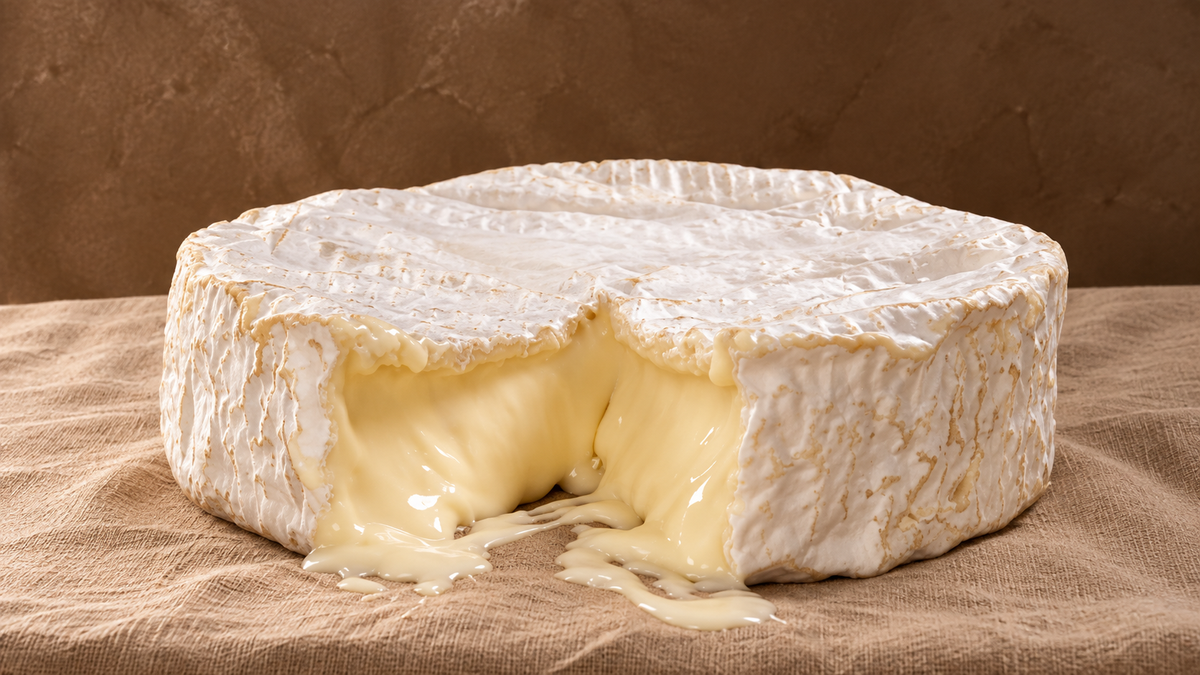
Camembert is a soft-ripened cow's milk cheese traditionally associated with Normandy in northern France. It is recognised by its small, cylindrical form and delicate, white, bloomy rind, which develops as the cheese matures.
The rind forms through the activity of selected mould cultures, which contribute to the cheese's characteristic aroma, texture, and flavour. During maturation, moulds and enzymes gradually break down proteins and fats within the paste, transforming its texture from firm and compact towards the soft, creamy consistency associated with a well-matured Camembert.
When young, the interior can be relatively firm with a more compact centre. As maturation progresses, the paste becomes softer and more supple, eventually developing the characteristic flowing texture that many cheese enthusiasts seek in a fully ripened example. This evolution is central to understanding how Camembert should be selected and served.
The white rind is edible and contributes earthy, mushroom-like notes that complement the creamy interior. Enjoying the rind together with the paste allows the different layers of aroma, texture, and flavour to come together throughout the tasting.
For those exploring soft cheese in Dubai, Camembert offers an engaging introduction to bloomy-rind cheeses, combining approachable creaminess with the deeper earthy and savoury character that develops through careful maturation.
Camembert Flavour: What Does Camembert Cheese Taste Like?
Camembert has a flavour profile that develops noticeably as the cheese matures, moving from gentle dairy richness towards deeper savoury and earthy complexity.
A younger Camembert can reveal fresh cream, cultured milk, butter, and delicate lactic notes. With further maturation, these softer flavours become more pronounced and are joined by mushroom, woodland, toasted, and savoury characteristics. The result is a fuller profile with greater aromatic depth.
The bloomy rind contributes an important part of this expression. Its earthy, mushroom-like character complements the creamy paste beneath it, creating a combination of aroma and flavour that becomes more pronounced as the cheese reaches maturity.
Serving temperature also influences how these characteristics are perceived. When brought to the appropriate serving temperature, the paste becomes more supple and its aromas open gradually, allowing the creamy, earthy, and savoury notes to emerge more clearly.
For this reason, Camembert offers a particularly engaging tasting experience at different stages of maturity. Each stage reveals a different relationship between dairy richness, bloomy-rind character, and developing savoury complexity.
Camembert and Brie: Two Distinct Expressions of Bloomy-Rind Cheese
Camembert and Brie share the defining characteristics of soft, bloomy-rind cheeses, yet their traditional formats and regional identities give them distinct personalities. Comparing the two offers a useful way to understand how size, maturation, and production influence the final cheese.
Traditional Camembert is made in relatively small rounds, while Brie is traditionally produced in much larger wheels. This difference in size affects the ratio between rind and paste and influences how the cheese matures from the surface towards the centre.
Camembert is often associated with a more pronounced earthy and savoury character, particularly as it reaches fuller maturity. Brie de Meaux tends to offer a broader, more delicate expression, with creamy butter, fresh cream, mushroom, and subtle hazelnut notes developing through maturation.
Their different formats also give them distinct roles on a cheese board. Brie de Meaux can provide a broad, creamy presence, while a mature Camembert can introduce greater aromatic intensity and savoury depth. Serving both together creates an interesting contrast without relying on completely different cheese styles.
For a carefully composed cheese board, the choice between Camembert and Brie ultimately depends on the desired progression. Brie de Meaux offers creamy richness and elegance, while Camembert brings a more pronounced earthy character, allowing each to contribute a different expression of French bloomy-rind cheesemaking.
Choosing a Camembert That Suits Your Table
The ideal Camembert depends on the style of tasting experience, occasion, and accompaniments you have in mind. When selecting a wheel, look for a well-developed bloomy rind, an intact surface, and an aroma that reflects its stage of maturation.
Texture offers a useful indication of ripeness. A younger Camembert will generally retain more structure, while a more mature example develops a softer, more supple paste. The choice between them depends largely on whether you prefer a gentler profile or a fuller expression of the cheese.
For a cheese board, a moderately mature Camembert offers versatility. Its creamy texture and developed flavour pair naturally with fresh fruit, nuts, crusty bread, preserves, and charcuterie, allowing it to sit comfortably alongside both mild and more intensely flavoured cheeses.
For those who enjoy a more pronounced expression, a fully mature Camembert offers deeper aromatic character and a softer paste. This style works particularly well when the cheese is intended to be a central feature of the board or served warm.
Ultimately, choosing Camembert is about matching its maturity and character to the occasion. A carefully selected wheel can complement the surrounding ingredients while giving the cheese itself enough space to express its distinctive French character.
How To Serve Camembert Cheese?
Serving Camembert begins with bringing it to the right temperature. Remove the cheese from refrigeration and allow it to rest at room temperature before serving. Around 30 minutes is a useful starting point, although a larger or particularly cold wheel may require additional time. This allows the paste to soften and the aromas to become more expressive.
For presentation, place the whole Camembert on a serving board or cheese platter and cut it into portions that include both the creamy centre and a section of the bloomy rind. The rind is edible and contributes its own earthy, mushroom-like character, so keeping it with each portion allows guests to experience the cheese as intended.
Camembert pairs naturally with sliced pear, fresh figs, grapes, walnuts, almonds, artisan crackers, and fruit preserves. These accompaniments introduce sweetness, freshness, and texture while allowing the cheese's creamy character to remain at the centre of the tasting experience.
When creating a more elaborate cheese board, Camembert can be accompanied by cheeses with contrasting textures and flavours, such as Comté, Manchego, Parmigiano Reggiano, or a carefully selected blue cheese. Together, these choices create a varied progression while giving Camembert a distinctive place within the overall selection.
For a premium cheese board in Dubai, serving Camembert at the right temperature and pairing it with thoughtfully chosen accompaniments allows its creamy texture, bloomy rind, and developing flavour to be fully appreciated.
How Is Camembert Cheese Served in France?
In France, Camembert is often served simply, allowing the character of the cheese to remain at the centre of the experience. Fresh baguette or rustic country bread provides a natural accompaniment, while seasonal fruit and small amounts of preserves can introduce sweetness and contrast.
Camembert may appear as part of a traditional cheese course following the main meal, where it is enjoyed alongside bread and selected accompaniments. It is also well suited to a relaxed aperitif, shared table, or informal gathering where guests can serve themselves.
This understated approach reflects the versatility of Camembert. The cheese can be presented with just a few carefully chosen accompaniments or incorporated into a more elaborate spread without losing its distinctive character.
For contemporary entertaining in Dubai, this French approach translates naturally to premium cheese platters and grazing boards. A well-presented Camembert, accompanied by quality bread, seasonal fruit, and complementary cheeses, brings a relaxed expression of French cheesemaking to the table.
The Best Way to Enjoy Camembert
Enjoying Camembert begins with tasting the cheese on its own. Once it has reached a suitable serving temperature, cut a small wedge with the bloomy rind attached to the creamy interior. This first taste allows you to appreciate its natural flavour, aroma, texture, and stage of maturity.
From there, introduce accompaniments one at a time. Fresh pear brings gentle sweetness and freshness, while walnuts add a pleasant contrast of texture and earthy richness. Fig preserve offers concentrated fruit character, and crusty baguette or country bread provides a simple base for the creamy cheese.
When the paste is particularly soft, Camembert can also be spread onto warm bread, allowing its rich texture to become part of the experience. The cheese can then be explored through different combinations, with each accompaniment highlighting another aspect of its creamy, earthy, and savoury character.
This gradual approach makes Camembert especially rewarding to taste, giving the cheese room to express its character while allowing each pairing to create a different impression.
Camembert Cheese Pairing: What Goes Well With It?
Camembert pairs particularly well with ingredients that complement its creamy texture while introducing contrasting sweetness, freshness, acidity, or crunch. The most successful combinations allow the cheese to remain at the centre while adding another layer to the tasting experience.
Fresh fruit offers some of the simplest pairings. Pears bring delicate sweetness and a clean freshness, while crisp apples introduce acidity and texture. Grapes provide a juicy, refreshing contrast, making them particularly well suited to a relaxed cheese board.
Figs work beautifully with mature Camembert, adding a richer fruit character that complements its earthy notes. Dates bring concentrated sweetness and are especially suitable for Ramadan and Eid cheese boards in Dubai, where they can create a natural connection between local entertaining traditions and French cheesemaking.
Nuts provide another dimension through texture and flavour. Walnuts bring earthy richness, while almonds, hazelnuts, and pistachios offer varying degrees of crunch and nuttiness. For a more indulgent pairing, fig preserve or truffle-infused honey can introduce concentrated fruit or aromatic sweetness.
Artisan bread and quality crackers provide a simple foundation for serving Camembert, allowing its creamy paste and bloomy rind to remain prominent. On a broader grazing board, halal charcuterie can add savoury richness and create a more substantial combination alongside fruit, nuts, and other selected cheeses.
For a carefully curated cheese platter, the most effective pairings are those that create contrast while allowing Camembert's creamy, earthy character to remain clearly expressed.
Camembert Pairing with Charcuterie
Camembert pairs naturally with charcuterie, where its creamy texture provides a gentle contrast to the concentrated savoury character of cured meats. The combination works particularly well when the meat selection is chosen according to the maturity and intensity of the cheese.
For gatherings in Dubai, halal charcuterie provides a versatile option for creating this pairing while accommodating a wide range of dietary preferences. Delicate beef bresaola works especially well with younger Camembert, while more intensely seasoned or mature cured beef can complement a fuller, more developed cheese.
Fresh and briny accompaniments help complete the combination. Cornichons and olives introduce acidity and savoury freshness, while grapes, figs, or pears add a touch of natural sweetness. Artisan crackers or sliced baguette provide the ideal base for bringing the different elements together.
For a charcuterie board in Dubai, this combination can be adapted easily for corporate gatherings, birthday celebrations, dinner parties, or relaxed evenings at home. Camembert brings creamy richness to the board, while halal charcuterie adds savoury depth and variety to the overall selection.
What to Serve With Warm Camembert
Warm Camembert offers a richer, more indulgent way to enjoy this classic French cheese. As the interior softens, its creamy texture becomes ideal for dipping, spreading, and sharing.
Crusty bread is one of the most natural accompaniments. Warm baguette, sourdough, and rustic country bread provide enough texture to hold the melted cheese while allowing its rich character to remain the focus.
Roasted potatoes and vegetables make the experience more substantial. Baby potatoes, carrots, asparagus, and mushrooms pair particularly well with warm Camembert, especially when finished with fresh herbs. Their roasted flavours complement the cheese while adding savoury depth and texture.
Fresh apple and pear slices introduce brightness and natural sweetness, creating a refreshing contrast to the warm, creamy cheese. Walnuts add a delicate crunch, while figs or selected preserves can bring a richer fruit note.
For an elegant sharing presentation, place the warmed Camembert at the centre of a serving board and arrange bread, roasted vegetables, seasonal fruit, nuts, and halal charcuterie around it. This creates an inviting centrepiece designed for relaxed sharing and contemporary entertaining.
Ready to create your own Camembert experience? Explore the Camembert collection at The Cheese Man and order your favourite French cheese, artisan accompaniments, and halal charcuterie for delivery in Dubai.
Baked Camembert: A Classic Way to Enjoy It
Baked Camembert offers one of the most inviting ways to enjoy this French classic. Gently heated, the interior becomes soft and molten while the bloomy rind retains its shape, creating a warm centrepiece designed for sharing.
Garlic and rosemary are traditional flavour additions, while thyme, honey, freshly ground black pepper, and a small drizzle of olive oil can introduce additional layers of flavour. The choice of additions can be kept simple, allowing the character of the Camembert to remain at the centre.
To prepare baked Camembert, preheat the oven to approximately 180°C. Remove the cheese from any packaging that is not suitable for oven use and place it in a small ovenproof dish or a wooden box specifically designed for baking. Lightly score the surface and add your chosen herbs or flavourings.
Bake until the centre has softened and become molten, then serve immediately with warm baguette, sourdough, or rustic country bread. Fresh herbs, seasonal fruit, roasted vegetables, or selected preserves can be arranged alongside the cheese for sharing.
Baked Camembert makes an elegant addition to intimate dinners, relaxed evenings, and entertaining occasions. For your next gathering, order Camembert from The Cheese Man and create a warm sharing experience with artisan bread, halal charcuterie, and carefully selected accompaniments.
Camembert Cheese on Board
A ripe Camembert brings an inviting softness to a cheese board, with its delicate bloomy rind, creamy centre, and gentle earthy aroma creating an immediate sensory impression. Its supple texture provides a natural contrast to firmer and more mature cheeses, while its approachable character makes it an engaging choice for guests with different tastes.
A thoughtfully composed cheese board in Dubai might pair Camembert with Comté, Manchego, Parmigiano Reggiano, and a selected blue cheese. Together, these varieties introduce differences in texture, flavour intensity, and maturation, giving guests an engaging progression across the board.
Seasonal accompaniments can be arranged around the cheeses, with fresh figs, pears, grapes, dates, walnuts, artisan crackers, and fig preserves offering different combinations of sweetness, freshness, and texture. Halal charcuterie can add savoury character, while honey or chutney provides a complementary sweet note.
For larger gatherings, the same approach can be expanded into a generous luxury cheese platter, with Camembert providing a creamy centrepiece alongside carefully selected cheeses, charcuterie, and accompaniments.
Create your own premium cheese board with Camembert from The Cheese Man. Explore our artisan cheese collection, select your favourite accompaniments and halal charcuterie, and order online for delivery in Dubai.
Camembert and Wine Pairings
Camembert pairs particularly well with wines that bring freshness to its creamy texture while complementing its delicate earthy character. The right pairing can highlight different aspects of the cheese depending on its maturity and intensity.
Chardonnay works naturally with younger Camembert, where its creamy, buttery qualities can complement the cheese without overpowering it. Sauvignon Blanc offers a brighter alternative, with its fresh acidity providing a lively contrast to the richness of the cheese.
Pinot Noir is a particularly appealing red pairing for a more mature Camembert. Its red-fruit character and gentle savoury notes can complement the deeper earthy aromas that develop as the cheese matures.
For a Normandy-inspired experience, cider offers another natural choice. Its refreshing acidity and gentle fruit character provide a pleasing contrast to warm or mature Camembert, particularly when served alongside rustic bread and seasonal accompaniments.
Ultimately, the most successful pairing depends on the maturity of the Camembert and the character of the drink. Younger cheeses often suit fresher styles, while more mature examples can support wines and ciders with greater aromatic complexity.
How to Store Camembert
Camembert continues to develop after purchase, so proper storage helps preserve its texture, aroma, and flavour as it matures.
Keep Camembert refrigerated until you are ready to serve it. Once opened, wrap it in cheese paper or another suitable breathable material that protects the cheese while allowing some air exchange. Airtight plastic wrapping can trap moisture against the rind and affect its condition over time.
If the Camembert remains in its original packaging, keep the packaging intact where appropriate and follow any storage guidance provided by the producer. Store the cheese away from strongly scented foods, as its delicate rind can absorb surrounding aromas.
For serving, allow refrigerated Camembert to come towards room temperature before eating. Around 18–20°C is a practical guideline, with approximately 30 minutes outside the refrigerator often providing a useful starting point. A larger or particularly cold wheel may require longer. At the appropriate temperature, the paste becomes softer, and the cheese's aromas are easier to appreciate.
As Camembert matures, its paste gradually becomes softer and its aroma more pronounced. Check the cheese regularly after opening and plan to enjoy it while it is at the stage of maturity you prefer.
For the best tasting experience, choose an amount suited to your planned occasion and keep any remaining cheese properly wrapped and refrigerated until the next serving.
Camembert in Dubai: French Cheesemaking for Contemporary Entertaining
Dubai’s dining culture has created a natural setting for premium European cheeses. Sophisticated home entertaining, weekend gatherings, business occasions, and private celebrations increasingly call for food that feels considered while remaining effortless to share. Within this setting, Camembert brings the character of French cheesemaking to a distinctly contemporary table.
Its versatility is particularly suited to Dubai’s entertaining style. A Camembert can be presented as part of an intimate cheese course, placed at the centre of a generously prepared grazing board, or served warm as a sharing centrepiece. Its familiar French identity also makes it an accessible choice when a cheese selection needs to appeal to both experienced cheese enthusiasts and guests discovering artisan varieties.
Dubai’s climate also makes presentation and serving temperature especially relevant. Camembert is best brought out of refrigeration before serving so its paste can soften, and its aromas become more expressive. This simple step can make a noticeable difference when preparing a cheese board for a dinner at home, a private gathering, or an evening of entertaining.
For those buying premium cheese online in Dubai, Camembert offers the flexibility to move easily between occasions. It can accompany fresh fruit and artisan crackers for a relaxed gathering, form part of a more elaborate cheese platter for celebrations, or be selected alongside halal charcuterie and complementary cheeses for corporate entertaining.
The same approach extends across the UAE, where curated cheese selections are increasingly suited to gifting, hospitality, and special occasions. Whether prepared as a premium cheese hamper, a generous grazing board, or a carefully composed platter, Camembert brings a recognisable expression of French culinary heritage to contemporary entertaining.
Bring French cheesemaking to your next gathering with Camembert from The Cheese Man. Explore the collection and order online for delivery in Dubai, with artisan accompaniments and halal charcuterie available to complete your cheese experience.
The Cheese Man's Approach to Camembert
At The Cheese Man, selecting Camembert is part of a broader approach to artisan cheese built around provenance, craftsmanship, maturity, and the role each cheese plays within the overall tasting experience.
Camembert brings a distinctive soft, bloomy-rind character to a curated selection. Its creamy paste and developed aromas create an appealing contrast alongside aged Alpine cheeses, Manchego, Parmigiano Reggiano, blue cheeses, halal charcuterie, seasonal fruit, and carefully chosen accompaniments. Rather than standing alone, it can become an important element within a thoughtfully composed selection.
This versatility makes Camembert equally appropriate for an intimate evening at home, a generous grazing board, or a more formal gathering. It can be served simply with good bread and seasonal fruit, incorporated into a premium cheese platter, or gently baked when a warm sharing centrepiece is desired.
What makes Camembert particularly engaging is the way its character develops through maturation. The relationship between its bloomy rind, creamy paste, aroma, and evolving flavour gives each stage of the cheese a different expression, rewarding those who take the time to explore it.
At The Cheese Man, our Camembert selection is chosen with this sense of character in mind. Each cheese forms part of a wider collection of European artisan cheeses selected to bring provenance, variety, and craftsmanship to the table.
Explore Camembert from The Cheese Man and order online for delivery in Dubai. Whether you are preparing a premium cheese board, planning a special gathering, or simply looking to enjoy an exceptional French cheese at home, choose Camembert alongside artisan accompaniments and halal charcuterie for a complete tasting experience.
FAQ's
Q1. What does Camembert cheese taste like?
A: Camembert has a creamy, buttery flavour with gentle earthy and mushroom-like notes. As it matures, the paste becomes softer, and the flavour develops greater savoury, aromatic, and woodland character.
Q2. How should Camembert cheese be served?
A: Bring Camembert to room temperature before serving, then pair it with crusty bread, fresh fruit, nuts, preserves, artisan crackers, or halal charcuterie. Serving it at the right temperature allows its texture and aroma to develop fully.
Q3. How do you eat Camembert cheese?
A: Cut a wedge while keeping the edible bloomy rind attached to the creamy interior. Taste it on its own first, then try it with bread, pear, figs, walnuts, honey, or preserves to explore different flavour combinations.
Q4. What goes well with Camembert cheese?
A: Camembert pairs beautifully with pears, figs, grapes, apples, dates, walnuts, hazelnuts, artisan bread, crackers, honey, and fruit preserves. Halal charcuterie can add savoury contrast, while complementary cheeses create greater variety on a larger board.
Q5. Can you eat the rind of Camembert?
A: Yes. Camembert's white bloomy rind is edible and contributes earthy, mushroom-like aromas and flavour. Eating the rind together with the creamy paste allows its texture and flavour to be experienced as part of the whole cheese.
Q6. How do you know when Camembert is ready to eat?
A: A mature Camembert generally develops a softer, more supple paste beneath the rind and a more pronounced characteristic aroma. When gently pressed, the cheese should have some give without losing its overall shape.
Q7. What is the difference between Camembert and Brie?
A: Both are soft, bloomy-rind cheeses made from cow's milk, but their traditional formats and regional identities differ. Camembert is typically made in smaller rounds, while traditional Brie varieties such as Brie de Meaux are produced in larger wheels.
Q8. How do you make baked Camembert?
A: Place Camembert in suitable ovenproof packaging or a baking dish, lightly score the surface, and add herbs or selected flavourings. Warm it in an oven until the centre becomes molten, then serve immediately with crusty bread and accompaniments.
Q9. How should Camembert be stored?
A: Keep Camembert refrigerated and, once opened, wrap it in cheese paper or another suitable breathable material. Store it away from strongly scented foods and allow it to come to room temperature before serving.
Q10. Where can I buy Camembert cheese in Dubai?
A: The Cheese Man offers Camembert as part of its curated collection of premium, French artisan cheeses. Customers can order online for delivery in Dubai and pair their selection with gourmet accompaniments and halal charcuterie.

