How to Store Cheese Properly
Great cheese deserves thoughtful care long after it reaches your kitchen. From fresh mozzarella to the creamy Brie de Meaux, the crystalline Parmigiano Reggiano, and the blue-veined Gorgonzola, every variety has different storage needs.
Cheese continues to evolve after production, and the right storage conditions help preserve its texture, aroma, flavour, and characteristic rind. Refrigeration, suitable wrapping, and protection from strong odours all play an important role in maintaining quality.
Knowing how to store cheese properly is particularly valuable when buying premium cheese for a cheese board, preparing a grazing platter, or keeping artisan cheeses at home. Moisture content, rind type, and maturation all influence how a cheese should be wrapped and stored.
In Dubai and across the UAE, careful temperature management is especially important. Warm conditions during shopping, delivery, and entertaining can affect chilled products, making prompt refrigeration and safe handling essential.
This guide explains how to store different cheese varieties, choose suitable wrapping and containers, maintain the right temperature, assess mould, and understand storage life without relying on a single expiry timeline for every cheese.
The Ideal Temperature for Storing Cheese
Temperature is fundamental to keeping cheese fresh. The US Food and Drug Administration recommends keeping refrigerators at 4°C or below and freezers at −18°C or below for food safety. A refrigerator thermometer is useful because an appliance's dial may not accurately reflect the temperature inside. FDA food-storage guidance.
For most household cheese storage, a consistent refrigerator temperature of around 2–4°C is a practical guideline, provided it meets the product's storage instructions. Fresh, high-moisture cheeses such as mozzarella, ricotta, and burrata require particular care because their moisture content makes temperature control especially important.
Stable refrigeration helps maintain quality. Repeated temperature changes can cause condensation inside packaging and affect a cheese's surface, texture, and shelf life. Keep cheese refrigerated between servings, taking out only the amount needed. For the best results, follow the manufacturer's storage instructions, maintain a consistent temperature, and minimise the time cheese spends at room temperature.
Where Should Cheese Sit in the Refrigerator?
A clean refrigerator shelf with a consistent temperature is a reliable place to store most cheeses. The vegetable drawer may offer higher humidity, which can help reduce drying for certain varieties, but temperature stability and the manufacturer's storage guidance should take priority.
Keep cheese segregated from raw meat, seafood, and foods that could leak or contaminate its packaging. Allow sufficient space for cold air to circulate, and avoid placing cheese near the fridge door where temperatures fluctuate more frequently.
Why Cheese Needs the Right Packaging
Cheese packaging influences how well a variety retains moisture, protects its cut surfaces and manages exposure to air. The most suitable option depends on the cheese’s moisture content, rind and texture.
Fresh cheeses often need to remain in their original liquid or packaging, while many semi-hard and hard cheeses benefit from wrapping that limits drying. Strongly aromatic blue and washed-rind varieties may also require separate storage to prevent their aromas from transferring to other foods.
The following packaging options explain which materials may be suitable for different varieties.
The Best Papers for Storing Cheese
Specialist cheese paper
Specialist cheese paper is designed to manage moisture while providing protection from excessive drying. It is a useful option for many cut artisan cheeses, including Brie, Camembert, Comté, and Manchego, provided the product's storage instructions are followed. Wrap the cheese so that its cut surface is covered without compressing its texture. Replace the paper when it becomes wet, heavily soiled, or saturated with residue.
Waxed paper
Waxed paper provides a moisture barrier and can be suitable for short-term storage of certain firm and semi-hard cheeses. Its suitability depends on the coating and intended food use. For additional protection against fridge odours, place the wrapped cheese in a clean container.
Parchment paper
Food-grade parchment paper is a practical alternative for short-term storage when the cheese paper is unavailable. It can help protect exposed surfaces of cheeses such as Comté, Gruyère, and aged Gouda. Check the wrapping regularly, particularly around softer cheeses, and swap it if it becomes humid. A suitable food-safe container can provide additional protection.
Aluminium foil
Aluminium foil can be appropriate for certain blue cheeses when recommended by the producer. However, its moisture-retaining properties make it less suitable as a universal wrapping choice. For Gorgonzola, Roquefort, and Stilton, follow the product's storage guidance and consider a separate, covered container to limit odour transfer to other foods.
Plastic wrap and airtight containers
Plastic wrap and airtight containers can reduce drying and protect cheese from external contamination, but they may also trap condensation around moist varieties. For many cut artisan cheeses, breathable wrapping combined with a clean protective container offers a practical alternative. Covered food-safe containers are particularly useful for fresh cheeses, crumbled cheese, sliced cheese, and strongly aromatic varieties. Keep fresh mozzarella in its original liquid or packaging when instructed by the manufacturer.
A Practical Rule for Choosing Cheese Packaging
Choose packaging according to the cheese’s moisture, texture, and producer instructions. Specialist cheese paper is useful for many cut artisan cheeses, while food-grade parchment can serve as a short-term alternative. Use clean, airtight containers when additional protection is needed, particularly for fresh or strongly aromatic varieties.
Storing Fresh Cheeses
Fresh cheeses generally contain more moisture and have undergone little or no ageing. Their delicate structure means that careful refrigeration and attention to the manufacturer's use-by guidance are especially important.
How to Store Mozzarella di Bufala
Mozzarella di Bufala is made from buffalo milk and has a soft, elastic structure with a moist interior. Its fresh character depends on maintaining that moisture. Store mozzarella in its original sealed packaging and liquid. The liquid helps preserve the cheese's characteristic texture and prevents the surface from drying out. Once opened, keep the cheese refrigerated and use it within the period stated on the package.
How to Store Burrata
Burrata has a delicate outer mozzarella shell surrounding a creamy interior of stracciatella and cream. Its high moisture content and soft structure make it particularly perishable. Keep burrata in its original sealed packaging and liquid, where provided. Refrigerate quickly and follow the product's use-by date, especially once opened.
How to Store Ricotta
Ricotta has a soft, moist, and granular structure. Store it in its original container, tightly covered, and keep it refrigerated. Always use a clean spoon when serving, and follow the manufacturer's instructions for consumption after opening. Unexpected mould, unusual discolouration, a slimy surface or an abnormal smell are reasons to discard ricotta.
How to Store Fresh Goat Cheese
Fresh chèvre is typically soft, moist and spreadable. Keep it in its original packaging or a clean, covered container, following the product label. Close tubs promptly after serving, and protect the exposed surface of a fresh goat cheese log with suitable food-safe wrapping to limit drying.
How to Store Feta in Brine
Feta has a firm yet crumbly structure and is commonly sold in brine. The salty liquid helps maintain its characteristic moisture and texture. Keep feta in its original brine and a clean, airtight container, as directed on the package. Use clean utensils when removing portions and keep the cheese submerged when the producer specifies that it should remain in brine.
How to Store Bloomy-Rind Cheeses
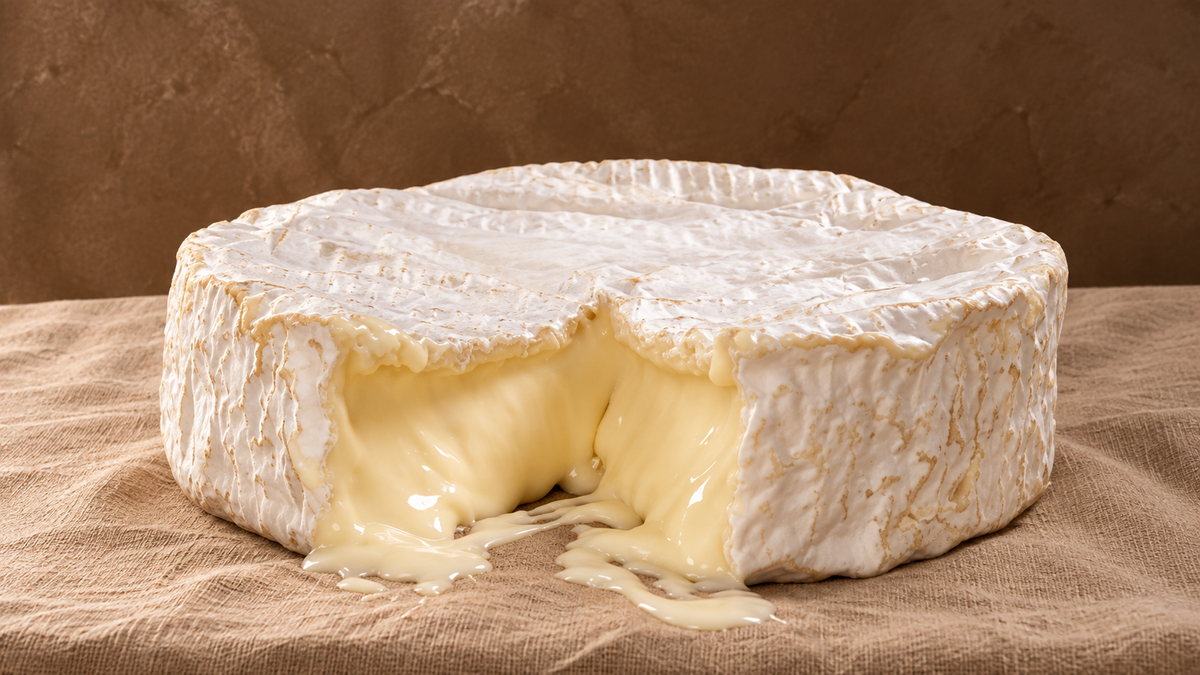
Bloomy-rind cheeses develop a delicate white surface through selected mould cultures that contribute to their aroma, flavour, and softening during maturation. Brie de Meaux and Camembert de Normandie are well-known examples, with textures and aromas that continue to evolve as they mature.
How to Store Brie de Meaux
Brie de Meaux has a delicate white rind and a creamy paste that becomes softer with maturation. Keep it in its original packaging when recommended by the producer. Once cut, cheese paper can help protect the exposed surface while managing moisture. Place the wrapped cheese in a clean container if additional protection from fridge odours is needed. Check the wrapping regularly and replace it if it becomes damp or heavily stained. Keep Brie refrigerated, removing only the portion required for serving.
How to Store Camembert de Normandie
Camembert de Normandie has a white bloomy rind and a soft interior that develops a more pronounced aroma as it matures. Store it in its original packaging when suitable, or use cheese paper after opening. A clean, covered container can provide additional protection from drying and odour transfer. The original wooden box may help support the cheese, but use it for storage only when appropriate.
How Long Do Brie and Camembert Last?
There is no single storage period that applies to every Brie or Camembert. The cheese's maturity at purchase, packaging, handling, fridge temperature, and producer's instructions all influence its usable life. Follow the package guidance and check the cheese regularly. An expected white bloomy rind is part of these cheeses' normal character, but unfamiliar mould growth, unusual discolouration, a slimy surface, or an abnormal ammonia-like smell may indicate deterioration. When in doubt, discard the cheese rather than relying on appearance or smell alone.
Storing Washed-Rind Cheeses
Washed-rind cheeses are treated during maturation with brine or other suitable washing solutions. This encourages surface microorganisms that contribute to their distinctive orange, pinkish, or reddish rinds, supple textures, and pronounced aromas.
Taleggio and Époisses are two well-known examples. Their characteristic aromas make appropriate wrapping and separate storage particularly useful.
How to Store Taleggio
Taleggio has a washed rind and a soft, supple interior. Keep it in its original packaging when suitable, or wrap it in specialist cheese paper. A slightly tacky rind can be characteristic of this style, but unexpected sliminess or unusual discolouration warrants caution.
How to Store Époisses
Époisses is a soft washed-rind cheese known for its creamy paste and pronounced aroma. Retain its original container when appropriate, or follow the producer’s guidance on alternative wrapping. Check the packaging for excess moisture and store it segregated from varieties that readily absorb strong aromas.
How to Store Semi-Hard and Hard Cheeses
Semi-hard and hard cheeses generally contain less moisture than fresh varieties, allowing them to maintain their quality for longer when properly stored. However, exposure to air can dry their cut surfaces and gradually affect texture and flavour. Suitable wrapping, consistent refrigeration, and clean handling help preserve their character.
How to Store Comté
Comté is an aged French Alpine cheese with a firm yet supple paste. Wrap a cut wedge in cheese paper or parchment, covering the exposed surface without compressing the cheese. A clean container can provide additional protection from fridge odours. If the edges dry out, improve the wrapping; the affected portion may still be suitable for grating or cooking if the cheese shows no signs of spoilage.
How to Store Gruyère
Gruyère has a compact, firm texture and a distinctive nutty, savoury flavour that becomes more pronounced with maturation. After cutting, wrap it in specialist cheese paper or parchment and place it in a clean container if additional protection is needed. Rewrap it promptly after serving and keep it separate from strongly aromatic foods to help preserve its natural flavour.
How to Store Manchego
Traditionally made from sheep’s milk, Manchego develops a firm, compact texture as it matures. Younger versions tend to be more supple, while longer-aged varieties can offer more concentrated savoury and nutty notes. Wrap the cut surface in cheese paper or parchment, ensuring it is protected from direct exposure to air. Leave the rind or any protective coating intact unless the producer advises otherwise. Check the wrapping periodically and swap it if it becomes moist or soiled.
How to Store Gouda
Gouda changes considerably with age. Young Gouda is relatively supple and mild, while mature varieties become firmer and can develop deeper caramelised flavours and crunchy crystals. For a cut wedge, use cheese paper or parchment and add a clean, airtight container when needed. Although aged Gouda is generally less prone to rapid deterioration than high-moisture fresh cheese, it can still dry out or lose quality if stored for too long. Follow the producer’s guidance and check the cheese regularly.
How to Store Parmigiano Reggiano
Parmigiano Reggiano is a hard Italian cheese with a dense, granular paste and relatively low moisture content. Its firm texture supports longer refrigerated storage than fresh cheeses, provided the cut surface is protected. Wrap the wedge in cheese paper and place it in a clean container. Replace the wrapping if it becomes damp, dirty, or unsuitable for continued use. Across all semi-hard and hard varieties, the key is to protect exposed surfaces without trapping excess moisture. Keep cheese refrigerated, use clean utensils, and follow the storage instructions supplied with the product.
How to Store Blue Cheeses
Blue cheeses develop their characteristic blue or blue-green veining through selected mould cultures used during production. Their moisture levels, textures, and aromas vary by variety, so suitable wrapping and separate storage help maintain quality while limiting odour transfer to other foods. Gorgonzola Dolce is soft and creamy, whereas Gorgonzola Piccante is firmer, with a more pronounced flavour. Roquefort, made from sheep’s milk, has a moist, crumbly texture, while Stilton is generally more substantial and crumbly.
How to Store Gorgonzola
Gorgonzola is an Italian blue cheese available in both creamy and firmer styles. Keep it in its original packaging when suitable, or wrap it in specialist cheese paper and place it in a dedicated, covered container. This helps protect the cut surface while limiting the spread of its strong aroma. Its blue-green veins are an intended feature of the production process. However, unfamiliar growth appearing after purchase, unexpected discolouration, or a marked change in texture may indicate deterioration and should not be confused with the cheese’s natural veining.
How to Store Roquefort
Roquefort is a French blue cheese made from sheep’s milk, recognised for its moist, crumbly paste and pronounced savoury character. Wrap it in suitable cheese paper and store it in a dedicated airtight container in the refrigerator. Replace wrapping if it becomes excessively humid or stained, and use clean utensils when serving to reduce the risk of contamination.
How to Store Stilton
Stilton has a rich, crumbly paste threaded with blue veins. Its aroma can become more pronounced as the cheese matures, making separate storage particularly useful. Protect the exposed surface with cheese paper and place the cheese in the chiller. Rewrap it quickly after serving and keep it segregated from more delicate cheeses that may absorb its aroma.
For all blue cheeses, follow the producer’s storage instructions and maintain consistent refrigeration. The mould cultures intentionally used in production do not make every type of subsequent mould growth safe. If the cheese develops unfamiliar growth or other signs of spoilage, do not assume it is harmless simply because the variety is a blue cheese.
What to Do When Cheese Develops Mould
Mould does not always indicate spoilage. Certain cheeses are intentionally made with specific mould cultures that contribute to their appearance, texture and flavour. The important distinction is between the mould characteristic of a cheese and unexpected growth that develops during storage.
The white bloomy rind of Brie de Meaux and Camembert, along with the blue-green veins in Gorgonzola, Roquefort and Stilton, are normal features of these varieties. Mould appearing in unfamiliar colours, locations or patterns should not automatically be considered part of the cheese’s natural character.
For soft and high-moisture cheeses, including ricotta, fresh mozzarella, burrata, fresh goat cheese, Brie and Camembert, discard the entire product if unexpected mould develops. Their moisture and texture can allow contamination to extend beyond the visible area, making it difficult to determine how far it has spread.
For firm cheeses sold as intact blocks, such as Parmigiano Reggiano, aged Gouda and mature Cheddar, USDA guidance permits cutting away the mould with at least 2.5 cm (1 inch) of cheese around and beneath the affected area. Keep the knife clear of the mould itself, remove the affected portion, and rewrap the remaining cheese in fresh, suitable material. This guidance does not apply to soft cheeses or to shredded, sliced, or crumbled products.
Discard sliced, shredded and crumbled cheese if unexpected mould appears. Their greater exposed surface area and smaller pieces make it harder to remove contamination safely. Mould is not the only sign to consider. Unexpected sliminess, unusual discolouration or a distinctly abnormal odour can indicate deterioration. Some cheeses naturally have strong aromas, so assess changes in the context of the variety rather than relying on smell alone. When the condition is uncertain, discarding the cheese is the safer choice.
Can You Freeze Cheese?
Freezing can extend the storage life of some cheeses, but it may affect their texture once thawed. Ice crystals can disrupt the cheese’s internal structure, leaving it crumbly, grainy, or less creamy than before. For this reason, freezing is generally more suitable for cheese intended for cooking than for serving fresh on a cheese board.
Hard and mature cheeses, including Parmigiano Reggiano and mature Cheddar, usually tolerate freezing better than delicate, high-moisture varieties. Their texture may still change, but they can remain useful for grating into pasta, enriching sauces, topping gratins or adding to soups.
Fresh mozzarella, burrata, ricotta and other high-moisture cheeses are less suitable for freezing when their original texture matters. Freezing can affect their moisture distribution and consistency, while Brie and Camembert may lose some of their characteristic softness and suppleness after thawing.
If you decide to freeze a suitable cheese, divide it into practical portions, wrap each portion securely in freezer-safe material, and label it with the freezing date. Store it at −18°C or below. When needed, thaw it in the refrigerator rather than at room temperature, and follow the producer’s guidance for use after thawing. Avoid refreezing once thawed unless the product’s instructions specifically permit it.
For cheeses intended to be served fresh on a cheese board, refrigeration is generally preferable to freezing when preserving the original texture is a priority. The University of Connecticut Extension also discusses how freezing can affect cheese quality and why harder varieties are often more suitable for later use in cooked dishes. Read the university’s cheese storage guidance.
How to Store Cheese After Serving a Cheese Board
Serve only the quantities needed for each stage of your gathering, keeping the remaining cheese refrigerated until required. For longer events, replenish the board in smaller portions rather than leaving the entire selection at room temperature. Use clean knives and serving utensils, ideally dedicating separate utensils to different varieties. This is particularly important for blue cheeses and strongly aromatic washed-rind cheeses, helping reduce cross-contamination and unwanted flavour transfer.
Return perishable cheeses to the fridge in time after serving. According to the US Food and Drug Administration, foods requiring refrigeration should generally not remain at room temperature for more than two hours, or one hour when temperatures exceed 32°C (90°F). The shorter limit is especially relevant when serving cheese outdoors or in Dubai’s summer heat. FDA food-storage guidance.
If cheese has exceeded these time limits, discard it rather than refrigerating it for later use. Appearance, texture, and smell alone cannot reliably establish whether it remains safe to eat. Only return cheese that has been handled within safe time and temperature limits to storage. Store it quickly, following the appropriate storage instructions for each variety.
Common Cheese Storage Mistakes
Even quality cheese can lose its character when stored incorrectly. A few common mistakes are easy to prevent.
Leaving cheese uncovered: Exposure to air can dry the cut surface, harden the edges, and allow the cheese to absorb refrigerator odours. Use suitable food-safe wrapping to protect exposed areas.
Using the same wrapping for every variety: Different cheeses have different storage needs. Fresh mozzarella should remain in its original liquid or packaging when specified, while Comté and Parmigiano Reggiano need protection against moisture loss.
Ignoring humid wrapping: Excess moisture can affect a cheese’s surface and rind. Swap wrapping when it becomes wet or stained, and use a clean, covered container where appropriate.
Incorrect fridge temperature: Keep the fridge at or below 4°C. A fridge thermometer helps verify the actual temperature rather than relying solely on the appliance’s settings.
Using the same knife for every cheese: Clean knives and serving utensils between varieties to reduce cross-contamination and prevent unwanted flavour transfer, particularly with blue and washed-rind cheeses.
Assuming all mould is harmless: The white rind of Brie and the blue veining of Stilton are expected features, but unexpected mould needs careful assessment. The appropriate response depends on the cheese’s type, moisture and structure.
Leaving cheese out for too long: Serve smaller portions and replenish the board as needed. Return perishable cheese to refrigeration within two hours, or within one hour when temperatures exceed 32°C.
A Practical Cheese Storage Routine
A simple, consistent routine helps maintain cheese quality, minimise waste and keep each variety ready to enjoy. When you bring cheese home, check the packaging and follow the producer’s storage instructions. Store it immediately, keeping it in its original packaging until opened unless the label recommends another approach.
Once cut, wrap semi-hard and hard cheeses in suitable cheese paper or parchment to protect exposed surfaces. Keep fresh varieties in their specified liquid or packaging, and store blue and strongly aromatic washed-rind cheeses in separate, airtight containers to limit odour transfer.
For easier rotation, label opened packages with the date when useful and check your fridge temperature regularly. Before serving, examine the cheese for unexpected changes, replace moist or soiled wrapping, and use clean utensils. After the meal, return remaining portions to refrigeration within the recommended food-safety time limits.
These habits are especially useful when keeping several varieties at home for cheese boards, gourmet entertaining or everyday cooking. With appropriate storage, each cheese has a better chance of retaining the texture, aroma and flavour that make it worth choosing.
Keeping Artisan Cheese Fresh in Dubai’s Climate
Dubai’s warm climate makes temperature control an important consideration when purchasing, transporting and serving artisan cheese. Careful handling helps protect quality from the moment a selection leaves the shop or arrives at your door. When an order arrives, check the packaging and follow the product’s storage instructions. Refrigerate chilled products promptly, particularly fresh cheeses such as mozzarella and burrata, which require careful temperature control.
For gatherings, plan quantities according to the number of guests and serve smaller portions rather than leaving the entire selection exposed to warm conditions. This is particularly important for outdoor entertaining, where the time limits for perishable foods can be shorter in high temperatures. Whether you are preparing a cheese board for a family gathering, arranging a grazing platter or choosing a premium cheese hamper, thoughtful planning helps keep the selection in suitable condition until serving.
At The Cheese Man, choosing the right varieties is only part of preparing a successful cheese board. Appropriate storage and careful handling help preserve each cheese’s individual character from delivery to the table.
FAQ's
Q1. What is the best temperature for storing cheese?
A: Keep your refrigerator at or below 4°C. A stable refrigerator temperature is particularly important for preserving quality and reducing food safety risks.
Q2. What is the best paper for wrapping artisan cheese?
A: Specialist cheese paper is ideal for many artisan cheeses because it helps manage moisture while allowing some airflow. Food-grade parchment is a practical alternative when suitable for the cheese.
Q3. How should I store Brie de Meaux to keep it fresh?
A: Refrigerate Brie de Meaux in suitable cheese paper or its recommended original packaging. Protect the cut surface and monitor the wrapping for excess moisture.
Q4. How do you store fresh mozzarella and burrata?
A: Keep fresh mozzarella and burrata refrigerated in their original packaging and liquid when specified. Follow the use-by date and consume opened portions according to the manufacturer's instructions.
Q5. How long does Parmigiano Reggiano last after opening?
A: A properly wrapped wedge of Parmigiano Reggiano may retain its quality for several weeks when refrigerated. Actual storage time depends on handling, temperature, and the product's storage instructions.
Q6. Can you store cheese in plastic wrap?
A: Plastic wrap can protect cheese from drying, but tightly sealed wrapping may trap moisture. Cheese paper or a suitable covered container can be a better option for many artisan varieties.
Q7. Can artisan cheese be frozen without affecting its quality?
A: Some hard cheeses freeze reasonably well, especially for cooking. Freezing often changes texture, making delicate cheeses such as burrata and fresh mozzarella less suitable.
Q8. Is cheese safe to eat if mould appears?
A: It depends on the cheese. Discard soft cheese with unexpected mould; firm blocks may be salvaged by removing at least 2.5 cm around and below it.
Q9. How should blue cheeses such as Gorgonzola or Roquefort be stored?
A: Wrap blue cheeses appropriately, refrigerate them in a separate covered container, and follow the producer's instructions. Their intended blue veins are normal, but unexpected mould or unusual changes require caution.
Q10. How long can cheese stay outside the refrigerator?
A: Perishable cheese should generally not remain at room temperature for more than two hours, or one hour when temperatures exceed 32°C. In Dubai's heat, return cheese to refrigeration promptly after serving.