Cheese Tasting Guide for Beginners
Cheese tasting is shaped by attention, rhythm, and curiosity. Every cheese reflects its milk, method, and ageing, turning tasting into a way of understanding texture, aroma, and craftsmanship rather than simply flavour alone.
From the soft interior of Brie de Meaux to the crystalline structure of Parmigiano Reggiano, each cheese reveals its character gradually. Tasting allows these distinctions to unfold through texture, aroma, and depth, creating a clearer understanding of how different cheeses develop.
For those exploring artisan cheese in Dubai, tasting offers a natural introduction to a wider range of styles and profiles. At The Cheese Man, curated selections are designed with balance and progression in mind, ensuring each cheese board and tasting experience feels refined and complete.
Understanding the Structure of Cheese Before Tasting
Before tasting, it is important to recognise that every cheese carries a distinct structure shaped by moisture, fat content, ageing, and rind development. These elements influence how the cheese feels, behaves, and develops on the palate.
Soft cheeses such as Camembert de Normandie contain higher moisture, creating a creamy texture, while semi-hard cheeses like Gouda offer a firmer and smoother body. Aged cheeses such as Parmigiano Reggiano develop a granular texture through protein crystallisation, giving them a more structured bite.
Recognising these differences makes cheese tasting more intentional, allowing flavour, texture, and aroma to unfold with greater clarity from one cheese to the next.
The First Impression
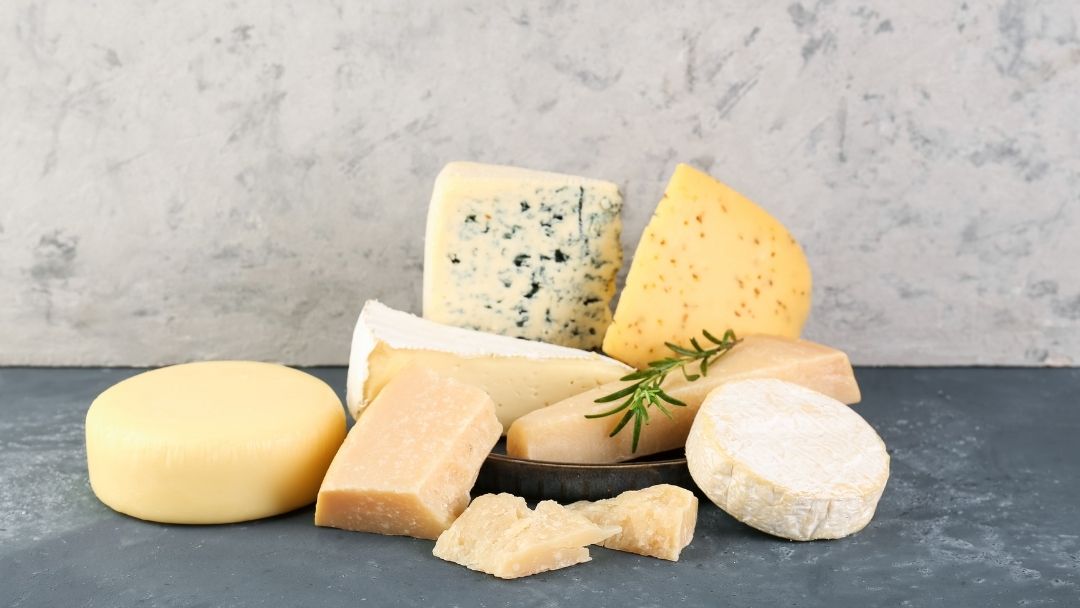
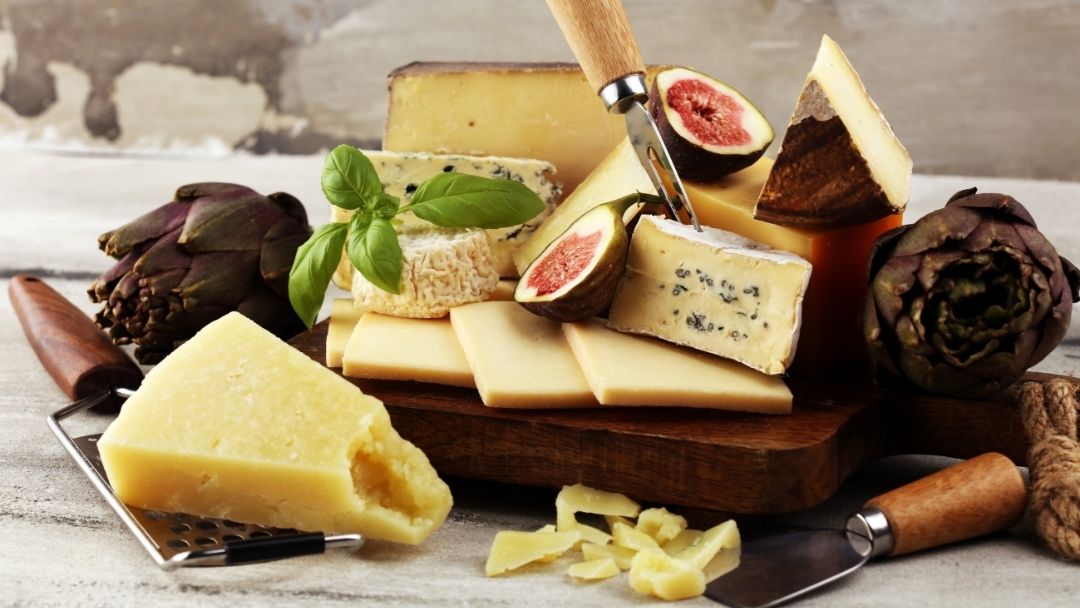
The visual aspect of cheese offers the first indication of its character. Colour, rind, and surface texture reflect how the cheese has been produced, matured, and presented, particularly across curated cheese boards in Dubai, where visual balance plays an important role in the tasting experience.
A bloomy rind, as seen in Brie de Meaux, suggests a soft interior and gradual flavour development. Firmer natural rinds on cheeses such as Comté often indicate extended ageing and a more concentrated profile. In Parmigiano Reggiano, small protein crystals reflect long maturation and structural complexity commonly appreciated in artisan cheese selections in Dubai.
Observation creates context before tasting begins, preparing the palate for the texture, aroma, and flavour that follow. This attention to visual detail is central to premium cheese board experiences and curated charcuterie boards in Dubai.
Aroma
Aroma shapes the first sensory impression of cheese, often revealing its depth before tasting begins. In curated cheese boards in Dubai, aromatic balance plays an important role in how different cheeses are experienced together.
Aged cheeses such as Comté develop warm, nutty notes through maturation, while Brie de Meaux carries a subtle earthiness through its bloomy rind. Manchego, made from sheep’s milk, presents a deeper savoury aroma that reflects its richness and ageing profile.
These aromatic characteristics prepare the palate for flavour and texture, guiding how each cheese unfolds during tasting. This progression is central to the artisan cheese experience and to premium charcuterie boards in Dubai.
The First Taste
The first taste of cheese is best approached slowly, allowing texture and flavour to develop gradually on the palate. In premium cheese board experiences in Dubai, this pacing helps each cheese reveal its individual character more clearly.
Soft cheeses such as Camembert de Normandie spread gently with a smooth, enveloping texture, while semi-hard cheeses like Gouda offer a firmer and more balanced bite. Aged cheeses such as Parmigiano Reggiano release flavour in stages, beginning with salinity before developing deeper umami notes.
This stage brings structure, aroma, and flavour together, shaping how each cheese is understood within a curated tasting experience or artisan charcuterie board in Dubai.
Texture and Mouthfeel
Texture is one of the clearest expressions of how a cheese has been produced and aged. Across artisan cheese boards in Dubai, differences in texture create contrast and progression throughout the tasting experience.
Brie de Meaux develops a soft and flowing interior beneath its bloomy rind, while Manchego offers a firmer texture shaped by the richness of sheep’s milk. Parmigiano Reggiano introduces a granular structure, where protein crystals form through extended ageing and dissolve gradually on the palate.
Paying attention to texture adds greater depth to cheese tasting, revealing how each cheese interacts with the palate beyond flavour alone. This balance of structure and mouthfeel is central to premium cheese platter experiences in Dubai.
Flavour Development
Cheese develops flavour in stages, revealing different characteristics as it moves across the palate. In curated cheese tasting experiences and premium cheese boards in Dubai, this progression creates depth and contrast between selections.
Gouda often begins with a mild sweetness before developing subtle caramelised notes, while Comté reveals a deeper nuttiness that becomes more pronounced over time. Parmigiano Reggiano unfolds gradually into a layered umami profile shaped through extended ageing.
This evolution is central to artisan cheese tasting, where each stage introduces new texture, aroma, and flavour. The progression allows every cheese to feel distinct within a refined cheese platter experience in Dubai.
Pairing During Tasting
Cheese tasting becomes more refined when paired with carefully selected accompaniments. In premium cheese board experiences in Dubai, pairings are used to highlight texture, balance, and flavour progression across different cheeses. Know more about cheese pairings.
Fresh fruits such as grapes and pears introduce brightness that balances richer cheeses, while nuts add warmth and texture. Artisanal accompaniments, including Tracklements chutneys and relishes, contribute gentle sweetness and acidity that complement cheeses such as Brie de Meaux, Comté, and Manchego.
The purpose of pairing is balance. Each element is selected to support the cheese without overwhelming its natural character, creating a more complete artisan cheese tasting experience.
Progression in Tasting
A well-composed cheese tasting follows a natural progression, moving from lighter styles toward more structured and aged cheeses. This sequence allows flavour and texture to develop gradually across the palate.
Beginning with fresh mozzarella or Brie introduces softness and mild flavour, while semi-hard cheeses such as Gouda add greater body and depth. Concluding with aged cheeses like Parmigiano Reggiano creates a more concentrated finish shaped by extended maturation.
This progression allows each cheese to be experienced with clarity and balance, a principle often reflected in curated cheese boards in Dubai and refined artisan cheese tasting experiences.
Developing Personal Preference Through Tasting
Cheese tasting is a gradual process of discovery, where each experience refines understanding and preference. Over time, tasting becomes more intuitive, shaped by texture, aroma, and flavour progression across different cheeses.
Some gravitate toward the soft creaminess of Brie de Meaux, while others prefer the structured depth of Comté or the richness of Manchego. Exploring a variety of artisan cheeses through curated cheese boards in Dubai allows these preferences to develop more clearly over time.
As exposure grows, tasting becomes more personal and more refined. Each experience contributes to a stronger understanding of the styles, textures, and flavour profiles that resonate most naturally.
The Cheese Man’s Approach to Cheese Tasting
At The Cheese Man, cheese tasting is curated as a complete and balanced experience. Each selection within a cheese board or charcuterie board in Dubai is chosen to create progression across texture, flavour, and intensity.
Boards are arranged to guide the palate naturally, moving from soft cheeses toward more aged and structured varieties. Pairings are selected with restraint, allowing artisan cheeses such as Brie de Meaux, Comté, and Parmigiano Reggiano to remain central to the tasting experience.
Cheese tasting develops gradually through observation, aroma, texture, and flavour. At The Cheese Man, this approach creates refined cheese tasting experiences in Dubai that feel intuitive, composed, and engaging for both new and experienced enthusiasts.
FAQ's
Q1. How should beginners start cheese tasting?
A: Beginners should start with soft cheeses such as Brie de Meaux, move into semi-hard varieties like Gouda, and finish with aged cheeses such as Parmigiano Reggiano to experience flavour progression clearly.
Q2. What should I pay attention to when tasting cheese?
A: Focus on appearance, aroma, texture, and flavour development. Each stage reveals how the cheese was produced, matured, and refined over time.
Q3. Why do different cheeses taste different?
A: Differences in milk type, cultures, ageing methods, and production techniques create distinct flavour profiles, textures, and aromas across cheeses.
Q4. How important is aroma in cheese tasting?
A: Aroma is essential because it introduces the flavour profile before tasting and helps prepare the palate to recognise depth, richness, and complexity.
Q5. What order should cheeses be tasted in?
A: Cheeses are best tasted from soft and mild varieties to firmer and more aged selections, so flavours build gradually without overwhelming the palate.
Q6. What foods pair best during cheese tasting?
A: Fresh fruits, nuts, artisan crackers, chutneys, and honey complement cheese tasting by adding contrast, texture, and balance to the experience.
Q7. How does texture influence cheese tasting?
A: Texture shapes how flavour develops on the palate, reflecting moisture content, ageing, and cheesemaking techniques that define each cheese style.
Q8. Can beginners learn to appreciate aged cheeses easily?
A: Yes. Structured tasting and repeated exposure help beginners understand and appreciate complex cheeses such as Parmigiano Reggiano with greater confidence over time.
Q9. Why do aged cheeses have stronger flavours?
A: Ageing concentrates proteins, fats, and natural compounds through fermentation, creating deeper, more layered flavours and firmer textures.
Q10. How often should I practice cheese tasting?
A: Regular tasting helps build familiarity with different cheese styles, improving palate awareness and understanding of flavour, texture, and ageing characteristics over time.