Healthy Cheeses for Your 2026 Diet: High Protein, Low Calorie & Delicious
As 2026 begins, conversations around food are shifting. People are no longer chasing extremes. Instead of cutting entire food groups or following rigid rules, there is a growing focus on balance, consistency, and smarter daily choices. The question is no longer “What should I eliminate?” but “What can I enjoy more intelligently?” Cheese often finds itself at the center of this conversation.
For years, cheese has been unfairly labelled as indulgent, heavy, or incompatible with health-focused lifestyles. Yet when we look more closely, this assumption begins to unravel. Cheese is not a single product. It is a category, diverse in texture, nutrition, fat content, protein levels, and digestibility. Some cheeses are rich and indulgent. Others are light, protein-dense, and perfectly suited for everyday eating.
At The Cheese Man, we approach cheese not as a guilty pleasure, but as a curated ingredient that can fit seamlessly into modern, active lifestyles. Especially in Dubai, where fitness, wellness, and social eating often coexist, cheese needs to work in real life, not just on special occasions.
Rethinking “Healthy” When It Comes to Cheese
One of the biggest mistakes people make when evaluating cheese is treating it as nutritionally uniform. Cheeses vary dramatically based on milk type, ageing process, moisture content, and serving size. A fresh, high moisture cheese behaves very differently in the body than a heavily aged, high fat one.
Health, in this context, does not mean “fat free” or “joyless.” It means foods that support energy, satiety, muscle recovery, and consistency. Cheese that is high in protein helps keep you full. Cheese that is lower in calories allows for daily enjoyment without overdoing it. Cheese that digests well fits into active routines without discomfort. The goal for 2026 is not restricted. It is an informed selection.
Why Protein Matters More Than Ever
Protein has become a defining pillar of contemporary eating, particularly for those balancing professional demands, regular movement, and active social lives. It supports muscle maintenance, aids recovery after physical activity, and helps sustain fullness over longer periods, reducing the need for constant snacking.
Cheese can play a meaningful role within this framework. Wide varieties are naturally rich in protein, making them practical additions to both meals and small plates. The distinction lies in selection. Choosing cheeses that offer higher protein relative to calories allows protein intake without unnecessary heaviness. When approached this way, cheese functions as a deliberate nutritional choice, not an indulgence, aligning with modern goals of nourishment, balance, and longevity.
Low-Calorie Cheese Doesn’t Mean Low Satisfaction
Calorie awareness has evolved beyond strict counting. Today, it reflects a broader understanding of how foods integrate into everyday routines. Lower-calorie cheeses support this shift by offering greater flexibility, allowing cheese to appear more regularly without overwhelming the balance of a meal.
When paired with protein density and mindful portions, lower calorie cheeses make daily enjoyment possible, rather than limiting cheese to occasional indulgence. This approach favors consistency over restriction, reinforcing sustainable eating habits that are easier to maintain over time.
The Best High Protein, Low Calorie Cheeses for 2026
Cottage Cheese: The Everyday Protein Staple
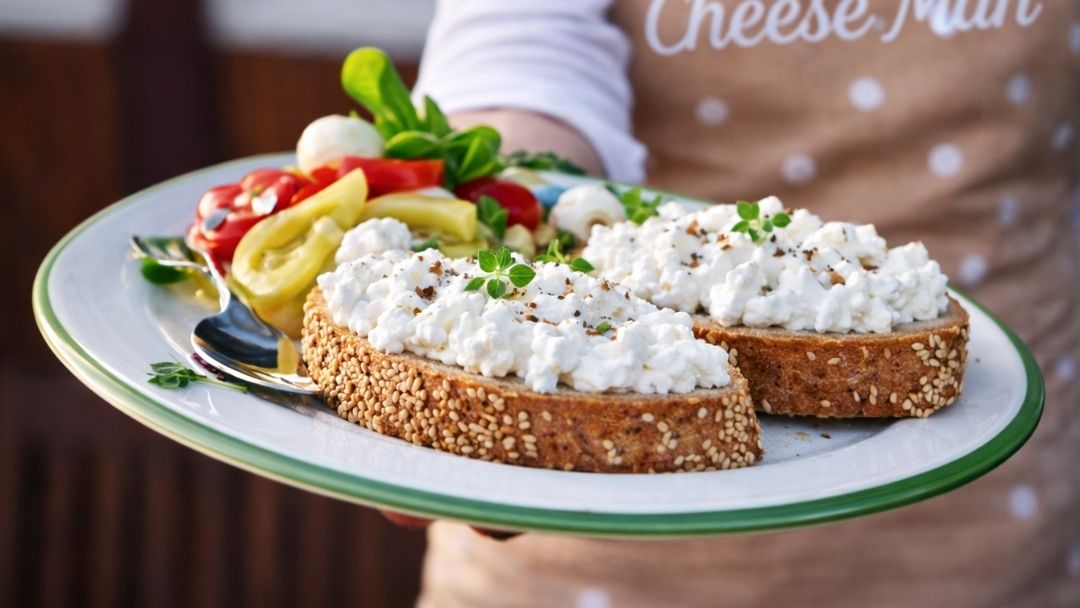
 Cottage cheese has re-emerged as a favourite among fitness focused eaters for good reason. It is exceptionally high in protein, naturally low in calories, and incredibly versatile. Its mild flavour allows it to pair easily with both sweet and savoury foods.
In Dubai, cottage cheese works well as a breakfast addition, post workout snack, or light evening option. It delivers satisfaction without heaviness and fits seamlessly into daily routines.
Ricotta: Light, Creamy, and Surprisingly Balanced
Ricotta offers a softer texture and gentle flavour while remaining relatively low in calories compared to many aged cheeses. It provides protein and calcium without the density of harder varieties. When used thoughtfully, in salads, on whole grain toast, or alongside vegetables, ricotta supports a balanced, fitness-friendly approach to eating cheese.
Mozzarella: High Moisture, Lower Calorie Comfort
 Fresh mozzarella contains a high water content, which naturally lowers its calorie density. It offers protein and calcium while remaining lighter than many firmer cheeses. Mozzarella’s clean flavour and soft texture make it ideal for daily eating, especially in warmer climates like Dubai, where lighter meals are often preferred even during winter months.
Feta: Bold Flavour, Smaller Portions
 Feta’s strength lies in its intensity. Because its flavour is pronounced, smaller portions go a long way. This makes it particularly effective for calorie-aware eating. Feta also pairs well with vegetables, grains, and proteins, allowing it to act as a flavour enhancer rather than the main calorie source of a meal.
Goat Cheese: Digestibility Meets Satisfaction
 Goat cheese is often easier to digest for many people and provides a tangy flavor that feels satisfying in small amounts. While not the lowest in calories, its richness encourages moderation naturally. For everyday meals, goat cheese adds interest without excess.
Parmesan: Small Amounts, Big Protein Impact
 Parmesan is one of the most misunderstood cheeses in health conversations. Despite being aged, it is naturally high in protein and intensely flavoured, meaning very small quantities deliver satisfaction. Shaved or grated lightly, Parmesan can elevate meals without significantly increasing calorie intake, making it a smart addition for daily eating.
How Cheese Fits into a Fitness-Friendly Lifestyle
Cheese is most effective when it complements an active lifestyle rather than standing in for it. For those who train regularly or maintain consistent movement, cheese contributes useful protein, fats that support satiety, and depth of flavour that helps meals feel complete and satisfying.
Balance depends on timing and context. Cheese paired with vegetables, whole grains, lean proteins, and proper hydration supports sustained energy and recovery. Eaten in isolation, without awareness of portion or purpose, it does not. At The Cheese Man, selections are curated with this principle in mind, cheeses designed to integrate easily into everyday eating patterns, supporting repetition, balance, and long-term enjoyment rather than occasional excess.
Daily Eating vs Occasional Indulgence
One of the clearest shifts shaping eating habits in 2026 is the growing distinction between daily cheeses and celebration cheeses. Daily cheeses are lighter in style, more protein-forward, and naturally versatile, making them suitable for regular meals and everyday routines without a sense of excess or guilt.
Celebration cheeses serve a different purpose. They are richer, more indulgent, and best enjoyed with intention during specific moments. Healthy eating does not require eliminating these choices. Instead, it relies on understanding how each type fits into a broader pattern, using daily cheeses for consistency and nourishment, and reserving celebration cheeses for mindful enjoyment. This clarity allows balance and pleasure to coexist, rather than compete.
Cheese Boards Can Be Healthy Too
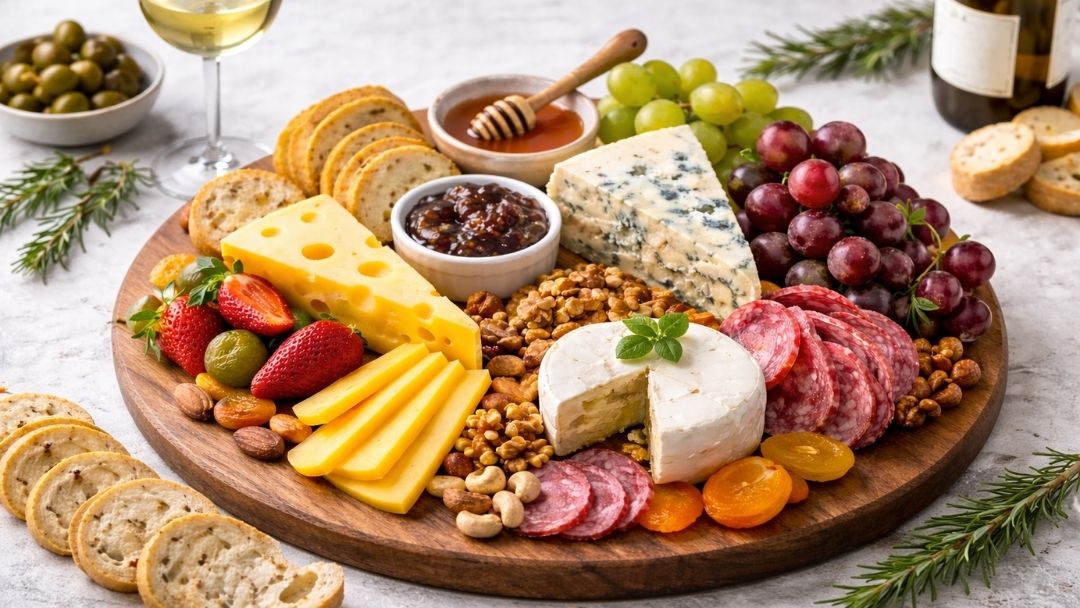
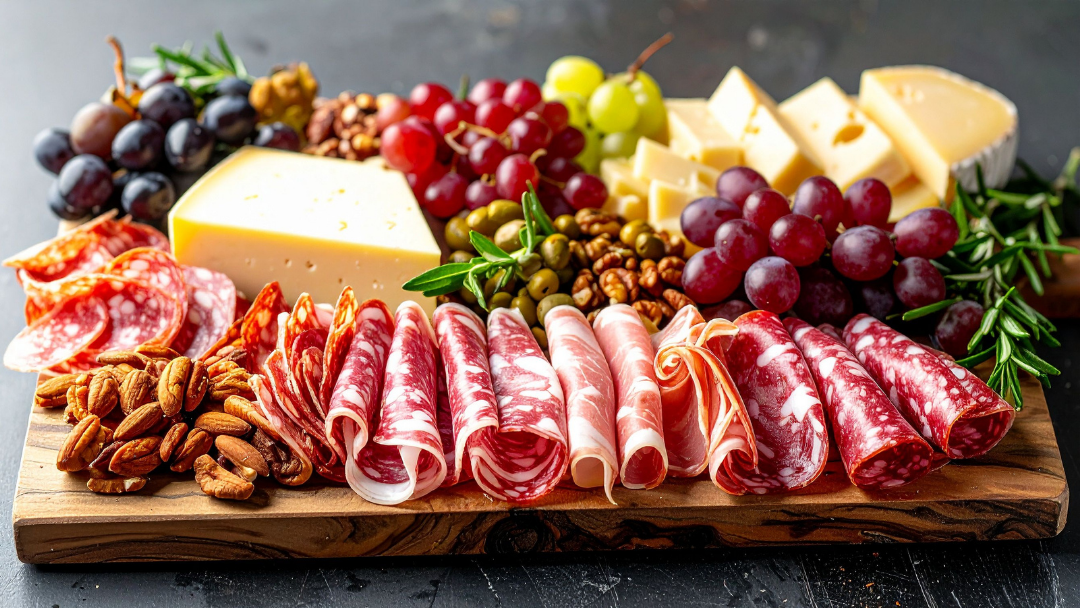
A cheese board does not inherently imply excess. When thoughtfully assembled, it can be one of the most balanced ways to enjoy cheese within a broader meal. A health-conscious cheeseboard typically emphasises protein-dense cheeses, fresh vegetables and fruits, controlled portions, and intentional variety. Each element serves a purpose, supporting satiety, nutritional balance, and enjoyment without overindulgence.
In Dubai, where social dining is an integral part of daily life, this approach allows cheese boards to remain part of regular gatherings without compromising long-term health goals. By shifting focus from abundance to composition, the cheeseboard becomes both social and sustainable.
Why Quality Matters More Than Labels
Health is not defined by numbers alone. Quality plays a quiet but significant role in digestion, satisfaction, and how much is needed to feel genuinely content. Higher quality cheeses tend to offer deeper, more developed flavour. This encourages smaller portions and slower eating, supporting natural calorie control without the pressure of conscious restriction. The experience becomes more deliberate, and fullness arrives sooner.
Choosing from a trusted, best online cheese shop in Dubai supports consistency and transparency, particularly for everyday consumption. When quality is reliable, cheese fits more easily into daily routines, enhancing both enjoyment and balance without unnecessary excess.
The Cheese Man’s Perspective on Healthy Cheese
Health is not measured by numbers alone. Quality influences how food is digested, how satisfying it feels, and how much is needed to feel comfortably full. Higher-quality cheeses tend to deliver greater depth of flavour, which naturally encourages smaller portions and slower eating. This supports calorie awareness without deliberate restriction, allowing balance to emerge through experience rather than control.
Our approach to healthy cheese is grounded in:
- Protein awareness
- Portion realism
- Lifestyle compatibility
- Enjoyment without guilt
Choosing from a trusted, well-established online cheese shop in Dubai adds another layer of consistency and transparency. For those incorporating cheese into daily routines, reliability in sourcing and quality contributes to a more balanced and sustainable overall experience.
Healthy eating in 2026 is not about subtraction. It’s about refinement. Cheese does not need to disappear from your routine to support fitness, balance, or wellness goals. When chosen intelligently, cheese becomes a powerful ally, delivering protein, satisfaction, and pleasure in a way few foods can. By focusing on high-protein, lower calorie options and understanding how cheese fits into daily life, you can enjoy it more often, not less. That is the future of healthy eating, and it includes cheese.
FAQ’s
Q1. Can cheese really be part of a healthy 2026 diet?
A: Yes. When selected thoughtfully and eaten in appropriate portions, cheese provides protein, satiety, and enjoyment that support balanced, sustainable eating patterns.
Q2. What makes a cheese “high protein”?
A: High protein cheeses deliver more protein relative to calories and fat. This includes varieties like cottage cheese, ricotta, mozzarella, and parmesan when portioned correctly.
Q3. Are low calorie cheeses less filling?
A: Not necessarily. Many lower calorie cheeses are high in protein or moisture, which helps promote fullness and satisfaction without excessive energy intake.
Q4. Is cheese suitable for people who exercise regularly?
A: Yes. Cheese can support muscle recovery and satiety when paired with balanced meals and eaten in moderation around active routines.
Q5. How often can I eat cheese if I’m fitness focused?
A: Many people can enjoy cheese daily when choosing lighter, protein-dense options and keeping portions realistic rather than excessive.
Q6. Are cheese boards compatible with healthy eating?
A: They can be. A balanced cheese board with vegetables, lean proteins, and controlled portions can fit comfortably into a health-conscious lifestyle.
Q7. Does cheese cause weight gain?
A: Weight changes depend on overall habits, not individual foods. Cheese eaten mindfully within balanced meals does not automatically lead to weight gain.
Q8. What’s the best time of day to eat cheese?
A: Cheese can fit at any time, breakfast, snacks, or dinner, depending on portion size and what it’s paired with.
Q9. Why does cheese help reduce snacking?
A: Its protein and fat content promote satiety, helping people feel full longer and reduce mindless snacking between meals.
Q10. How does The Cheese Man support healthy cheese choices?
A: By curating high-quality, balanced cheeses and educating customers on how to enjoy them regularly without excess or guilt.