How to Build a Nutritious & Balanced Cheese Board for Clean Eating
Eating well today is less about labels and more about understanding how foods behave in the body. Many people want meals that support digestion, energy, and everyday balance without disconnecting from real-life eating habits. Cheese often becomes a point of hesitation, not because it lacks nutritional value, but because it is rarely explained with enough nuance.
Cheese is not a single ingredient. Its impact on digestion and gut health depends on milk type, fermentation, ageing, and portion size. Some cheeses are rich, fresh, and best enjoyed occasionally. Others are aged, fermented, and surprisingly well suited to everyday eating.
At The Cheese Man, we approach cheese boards as composed meals rather than indulgent platters. When curated intentionally, a cheese board can support digestion, protein intake, and satisfaction while still feeling enjoyable and social. This guide explains how to build a nutritious and balanced cheese board using specific cheeses, gut-friendly accompaniments, and halal-friendly charcuterie options that work for everyday eating.
Redefining Clean Eating Through Balance, Not Elimination
One of the biggest misconceptions about clean eating is that it requires eliminating entire food groups. Cheese is often one of the first to be questioned. Yet this approach ignores how food works in the body and how people actually eat long term.
Clean eating is about supporting digestion, stabilising energy, and reducing inflammation through better ingredient choices. It does not require eliminating fermented foods, healthy fats, or protein-rich options that offer satiety and nourishment. Cheese, especially when aged or fermented, can support clean eating goals when paired correctly and consumed in reasonable portions. This is why cheese boards deserve to be reframed, not rejected.
Why Cheese Boards Can Support Clean Eating
A thoughtfully curated cheese board encourages slower eating, variety, and awareness. Instead of consuming large portions of one food, a cheese board offers small amounts of several complementary elements. This naturally supports balance and portion control.
A cheese board designed for clean eating focuses on quality cheeses, fibre-rich accompaniments, gut-friendly fermented elements, and clean protein sources. It avoids ultra-processed additions and excessive sugars. In Dubai, where social eating is common, and meals often extend beyond strict schedules, a cheese board Dubai style approach allows people to eat intuitively without abandoning structure.
The Role of Aged and Fermented Cheeses in Gut Health
Questions like do aged cheeses have probiotics or is aged cheese good for your gut come up frequently, and they deserve precise answers rather than generalisations. Aged cheeses such as Pecorino Romano, aged Cheddar, and aged Gouda undergo long fermentation processes. During ageing, much of the lactose is broken down, which is why these cheeses are often better tolerated by people who experience discomfort with fresh dairy.
This is also why nutrition experts frequently cite fermented cheeses like cheddar and parmesan when discussing digestion-friendly foods. While not all aged cheeses contain live probiotic cultures at the time of consumption, fermentation itself supports gut health by improving digestibility and nutrient availability. This is why aged cheese is often considered better for digestion than fresh, high-lactose cheeses.
Best Aged Cheeses for Gut Health
When people ask what the best aged cheese is for gut health, the answer is not “aged cheese in general” but rather specific, well-known varieties. Aged Cheddar is low in lactose, high in protein, and widely recognised for its digestibility. Parmesan is similarly low in lactose and highly concentrated, meaning small portions provide strong flavour and satiety. Aged Gouda, especially varieties aged 12 months or more, is often easier to digest than its younger counterparts and is rich in calcium and protein.
For those sensitive to cow’s milk, Pecorino, made from sheep milk, is another excellent option. Sheep milk cheeses are often better tolerated and naturally rich, making them suitable for smaller, more satisfying portions. These cheeses form the backbone of a gut-aware cheese board.
Is Cheese Good for Your Stomach and Gut Bacteria
Whether cheese is good for your stomach depends on the type and preparation, not on cheese as a category. Fresh, highly processed cheeses can cause discomfort for some people, particularly when eaten in large quantities. In contrast, aged and fermented cheeses such as cheddar, parmesan, pecorino, and aged gouda are generally easier on digestion due to reduced lactose and protein breakdown during ageing.
When people ask whether cheese is good for gut bacteria, the answer is that certain cheeses support a healthy environment by providing nutrients without irritating the digestive tract. This distinction matters. When cheese is selected intentionally, it can support satisfaction and digestive comfort rather than disrupt it.
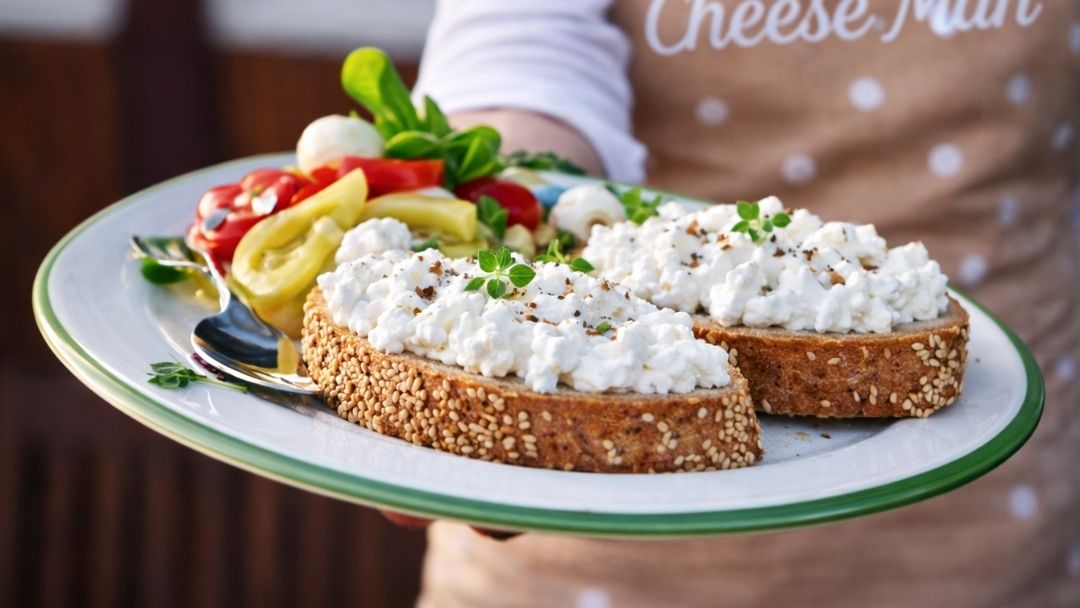
Including Fresh and Functional Cheeses Thoughtfully
Not all clean eating cheese boards rely only on aged varieties. Fresh cheeses have a role when used intentionally, especially when they contribute balance rather than excess. Halloumi is often questioned in health-focused conversations. Is halloumi good for you? In moderation, halloumi provides protein and satiety, particularly when grilled rather than fried. This preparation keeps the texture satisfying without unnecessary heaviness.
It works well as a warm element on a balanced board, especially when paired with vegetables or fresh accompaniments. Because halloumi is firmer and filling, small portions go a long way, making it compatible with clean eating when treated as a protein component rather than a casual snack.
Building a Balanced Cheese Board Structure
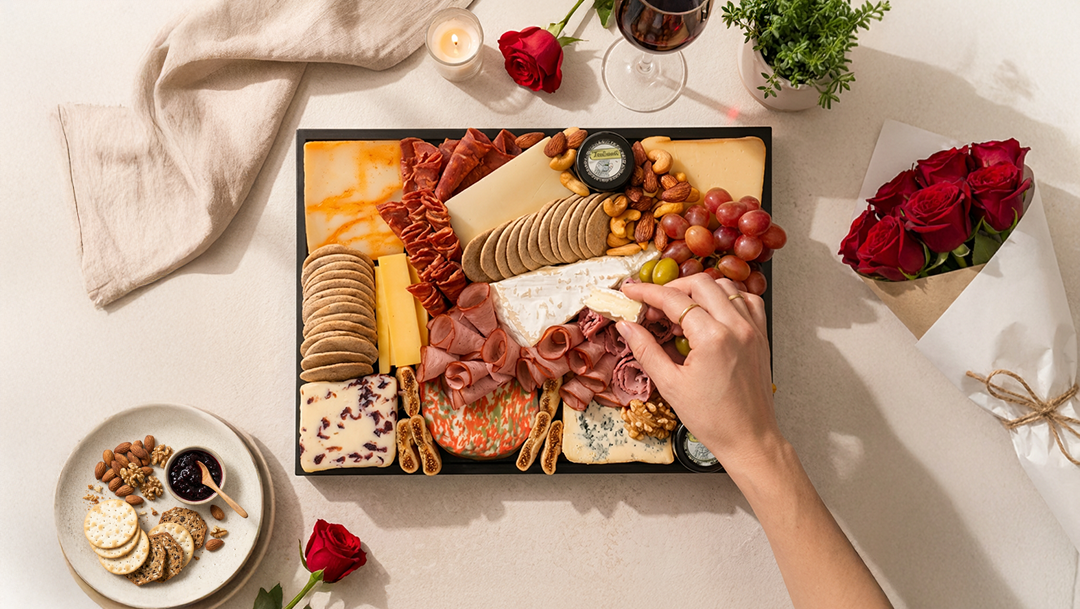
A clean eating cheese board starts with structure. Instead of abundance, it focuses on balance. The foundation is two to three carefully selected cheeses, ideally a mix of aged and fresh. These are supported by fibre-rich elements such as fruits and vegetables, which aid digestion and stabilise blood sugar.
For example, cranberry cheese or fresh fruit pairings add natural sweetness without relying on refined sugars. Items like Miller’s cranberry and raisin toast provide texture and flavour while remaining portion-friendly. Clean eating does not mean eliminating bread. It means choosing better bread and eating it intentionally.
Halal Friendly Charcuterie for Clean Eating Boards
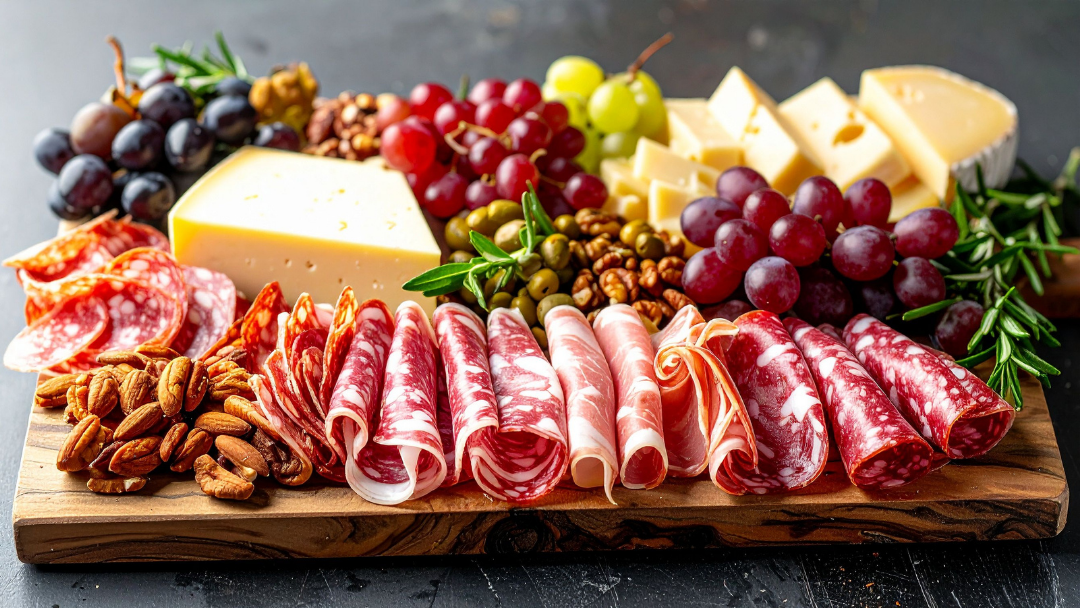
Protein plays a crucial role in clean eating, particularly for individuals who balance fitness and daily activities. This raises questions about halal meat for charcuterie board selections. For those seeking halal meat options for charcuterie boards, clean eating does not require eliminating cured meats. Instead, it requires choosing leaner, clearly sourced options.
Bresaola, a lean cured beef, works particularly well due to its low fat content and refined flavour. Beef chorizo, when minimally processed, provides warmth and depth without overpowering the board. Beef bacon can also be used sparingly as a savoury accent rather than a dominant element.
In Dubai, where halal considerations are essential, a charcuterie board in Dubai approach must prioritise clean, clearly sourced meats. This ensures inclusivity without compromising quality or nutrition. An Italian meat and cheese board can also be adapted to halal preferences by focusing on beef-based cured meats and aged cheeses rather than pork-based products.
Supporting Digestion Through Pairings
Cheese is best digested when paired with fibre and acidity. Fresh fruits, vegetables, and wholegrain accompaniments slow digestion and support gut comfort. Items such as Miller’s cranberry and raisin toast provide texture and controlled sweetness, while chutneys from Tracklements, when used sparingly, add acidity that complements aged cheeses like cheddar and parmesan.
These thoughtful pairings are what elevate a cheese platter from indulgent to intentional. A cheese platter built this way offers nourishment alongside enjoyment.
Portion Awareness Without Obsession
Clean eating thrives on awareness, not measurement. It emphasises conscious choices over strict tracking, allowing food to feel intentional rather than restrictive. Cheese boards naturally encourage smaller portions because they offer variety, inviting people to taste, pause, and enjoy rather than overconsume.
When people ask if aged cheese is good for you, the answer often comes down to portion size and frequency. A small amount of high-quality cheese enjoyed regularly fits more easily into everyday habits than occasional extremes driven by restriction or indulgence. This mindset supports consistency, which is the foundation of long-term health and sustainable eating patterns.
Clean Eating Cheese Boards for Everyday Life
Clean eating does not only apply to solo meals. It applies to social moments as well. Food choices made while hosting or gathering still matter, especially when meals are shared rather than eaten alone.
A balanced cheese board allows people to participate socially without abandoning their goals. It offers a way to enjoy the occasion while remaining mindful of what is being served and consumed. This is especially important in Dubai, where meals often involve sharing and hospitality. Thoughtful cheese platter ideas make it possible to host, gather, and eat well at the same time, without turning social occasions into moments of compromise.
The Cheese Man’s Approach to Clean Eating Boards
At The Cheese Man, clean eating is not treated as a trend. It is treated as a lifestyle that requires flexibility, understanding, and respect for enjoyment.
Our approach focuses on cheeses that support digestion, offer protein, and integrate naturally into daily eating. We curate boards that feel nourishing rather than overwhelming. This is why our cheese boards are trusted not only for celebrations but also for everyday balance.
A nutritious cheese board is not built on rules. It is built on understanding. By choosing aged and fermented cheeses such as Parmesan, Cheddar, Gouda, and Pecorino, pairing them with fibre-rich accompaniments, and including halal-friendly proteins like bresaola and beef chorizo, a cheese board can support digestion, protein intake, and everyday balance.
At The Cheese Man, this is how cheese boards are curated, not as indulgences, but as thoughtful, real-world meals that fit into modern lifestyles.
FAQ's
Q1. Does aged cheese have probiotics?
A: Aged cheeses may not always contain live probiotics, but the fermentation process supports digestion by reducing lactose and improving nutrient availability.
Q2. Is aged cheese good for your gut?
A: Yes, aged cheese is often easier to digest due to lower lactose levels and fermentation, making it suitable for many people focused on gut health.
Q3. What is the best aged cheese for gut health?
A: Cheddar, parmesan, and aged Gouda are commonly recommended because they are lower in lactose and high in flavour, supporting smaller portions.
Q4. Is cheese good for gut bacteria?
A: Certain cheeses support a healthy gut environment when consumed in moderation as part of a balanced diet.
Q5. Is cheese good for your stomach?
A: Cheese tolerance varies, but aged and fermented cheeses are generally gentler on the stomach than processed or fresh high-lactose varieties.
Q6. Why is aged cheese better for you than fresh cheese?
A: Aged cheese undergoes fermentation that reduces lactose and enhances digestibility, which can benefit gut comfort.
Q7. Is halloumi good for you?
A: Halloumi provides protein and satiety and can fit into clean eating when portioned thoughtfully and prepared.
Q8. Is Gouda cheese easy to digest?
A: Aged Gouda is often easier to digest due to reduced lactose and a smoother protein structure.
Q9. Can a cheeseboard be part of a clean eating plan?
A: Yes, a balanced cheese board with quality ingredients supports clean eating by encouraging variety, portion awareness, and mindful eating.
Q10. What makes a cheese board nutritious?
A: A nutritious cheese board balances protein, healthy fats, fibre-rich accompaniments, and clean ingredients without excess sugar or processing.